
Fitting out a shop that keeps trading means the protection has to do two jobs at once: protect the floor from the works, and be safe and presentable for customers walking across it. Most floor protection is designed for the first job only, and the second is where it falls down.
Customers are not wearing boots
The people crossing a shop floor during a fit-out are in ordinary shoes, sometimes with a coffee, sometimes with a child, and they are looking at the displays rather than at the floor. Any change of level, any curled edge and any loose panel is a real liability exposure rather than a site nuisance. Joints have to be tight and edges tapered, and the run has to be checked at the start of each trading day.
Protection has to look deliberate
A shop floor covered in mismatched offcuts reads as a building site and costs the client footfall and credibility. Panels of a consistent size and colour, laid in a regular pattern, read as a temporary floor rather than as clutter. It costs nothing extra to order one size and one colour, and it changes how the whole fit-out is perceived.
Dust and noise
Protection that drums underfoot is loud in a hard-surfaced shop and it is the kind of thing that gets complained about. A panel with a fibrous face underneath is quieter than a hard sheet on a hard floor, and it is worth specifying for that reason alone in a trading environment. The same face also holds the dust instead of letting it get ground around.
Working hours versus trading hours
The realistic pattern is heavy work outside trading hours and light work during them, which means the protection gets lifted and re-laid daily in the working areas. It has to be quick to lift and obvious to put back, and the route the public uses has to be protected at all times. Where the two conflict – a delivery crossing a public route – the answer is a fixed protected corridor, not ad-hoc panels.
Where the shop floor should just be replaced
In a lot of retail fit-outs the floor is being replaced anyway and the question is only what happens between strip-out and the new finish going down. In that case a cheap disposable cover is the right answer and reusable panels are wasted money. Ask what the floor scope is before specifying anything expensive.
Fire routes and the cover
A trading shop still has to comply on escape routes, and a cover laid across one changes its characteristics – width, slip resistance, whether a door will close over it. Check the escape route before laying anything and keep it either untouched or covered with something that does not reduce the width. It is a question for the responsible person, not for the fitter.
Stock and the floor underneath it
During a shop fit-out, stock often gets stored on the shop floor, on whatever is protecting it. Stock is heavy, it gets stacked, and it stands for weeks – a standing load rather than a traffic load. A load-spreading panel under the storage area, and a rule that stock goes on pallets rather than directly down, prevents the dents that show when the shelving goes in.
Night work and the cover
Where heavy work happens overnight, the cover gets lifted and re-laid every night, and that is when it gets put back wrong – wrong face down, joints open, edges lifted. A named person responsible for re-laying, and a two-minute check before trading opens, is worth more than a better product.
The domestic version of the same problem – protection that gets lifted and put back wrong by people who are not on the tools – is described in floor protection in an occupied home renovation.
What we can do
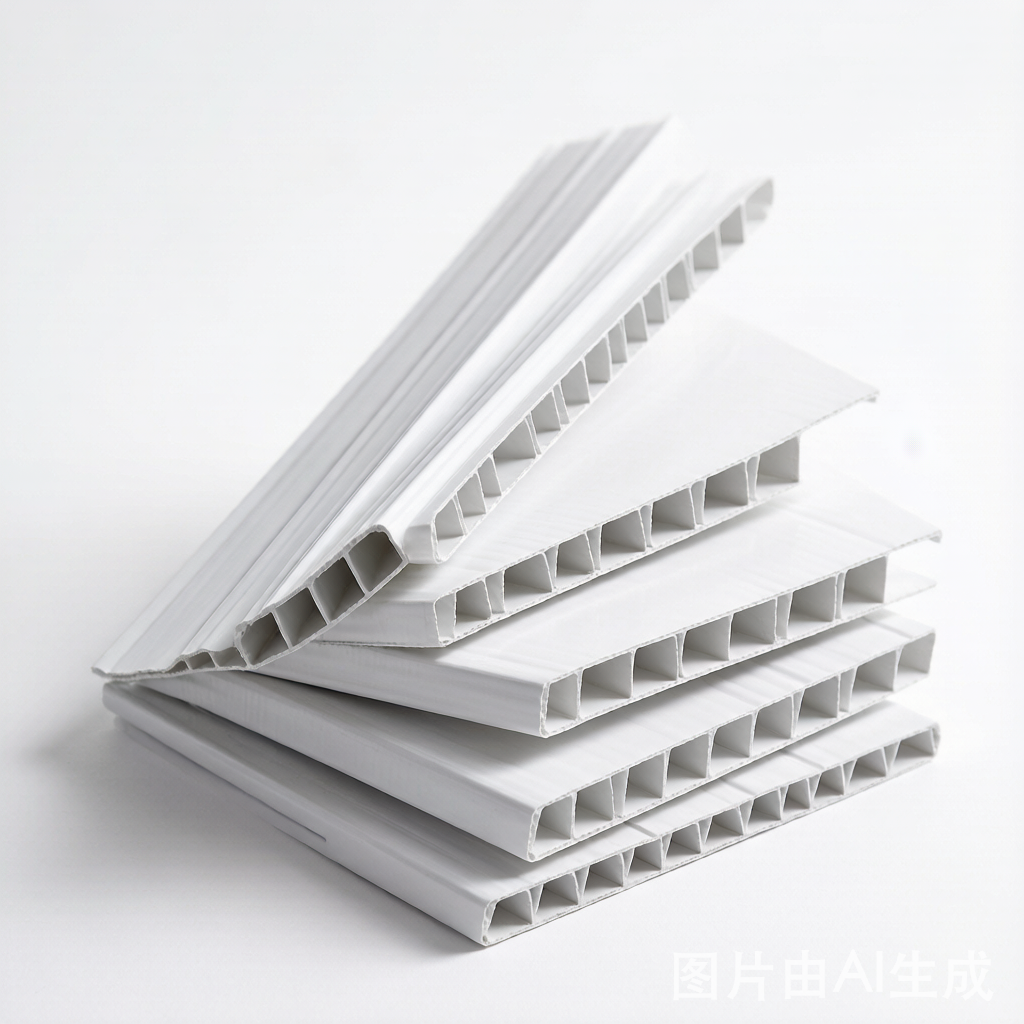
We supply corrugated PP sheet for the disposable case and honeycomb panels in matched sizes and colours for the trading-floor case. Tell us whether the floor is staying or going, and what hours the works run, and we will recommend one or the other rather than both.