
Payment terms on packaging are less exotic than in most industries and more negotiable than buyers assume. Knowing what is normal – and why – is most of what you need to have the conversation.
What is normal
A deposit with the order and the balance before or on shipment, for a first order with a new supplier. Commonly somewhere between a quarter and a half down. Once the relationship is established, open account terms – thirty days from invoice – are standard.
For a custom item involving tooling, the tooling is usually paid separately and often up front, because the supplier is committing to an asset that has no other use.
Why the deposit exists
Not distrust. The supplier is buying resin and booking a production slot against your order, and if the order falls through they are left with both. On a made-to-order item that exposure is real and the deposit covers it.
This is also why stock items and repeat orders attract easier terms – there is little exposure to cover.
What is negotiable
The deposit percentage, particularly if the order is large or repeat business is likely. The balance timing – some suppliers will accept balance against bill of lading rather than before shipment, which materially improves your cash position. And terms on established business, where thirty days is common and sixty is not unusual.
What is harder to negotiate is the tooling payment. It is a real cost incurred early and suppliers are generally firm on it.
Three things to get in writing
What triggers the deposit and what triggers the balance – specifically, whether the balance is due before production, before shipment, or on a document. Ambiguity here delays shipments more often than anything else.
Whether the price is fixed in a currency, and who carries the movement if it is not. On a long lead time this matters more than it appears.
And what happens if either side cancels. A cancelled order after tooling has started is an expensive conversation, and the terms should say who pays.
Two things worth asking for
Early settlement terms, if your cash position allows it – a small discount for payment on order is frequently available and rarely offered.
And a credit limit review after a few clean orders. Terms improve with history and nobody offers it unprompted.
What changes after the first few orders
Terms improve with history, and usually only if you ask. After three or four clean orders, request a review: deposit reduced, balance moved to bill of lading, or open account. It is a normal request and it is frequently granted because the supplier’s exposure has genuinely fallen.
Nobody offers it unprompted. Ask, and be specific about what you want rather than asking for better terms in general.
And what to watch on currency
If you are buying in a currency that is not yours, the exposure sits somewhere and it should be stated. On a long lead time – tooling, production, transit – the movement between order and payment can be several percent, which is more than most buyers would accept as a price rise.
Ask whether the price is fixed in a currency, and for how long. It is one line and it removes an argument that is otherwise unwinnable.
What we can do
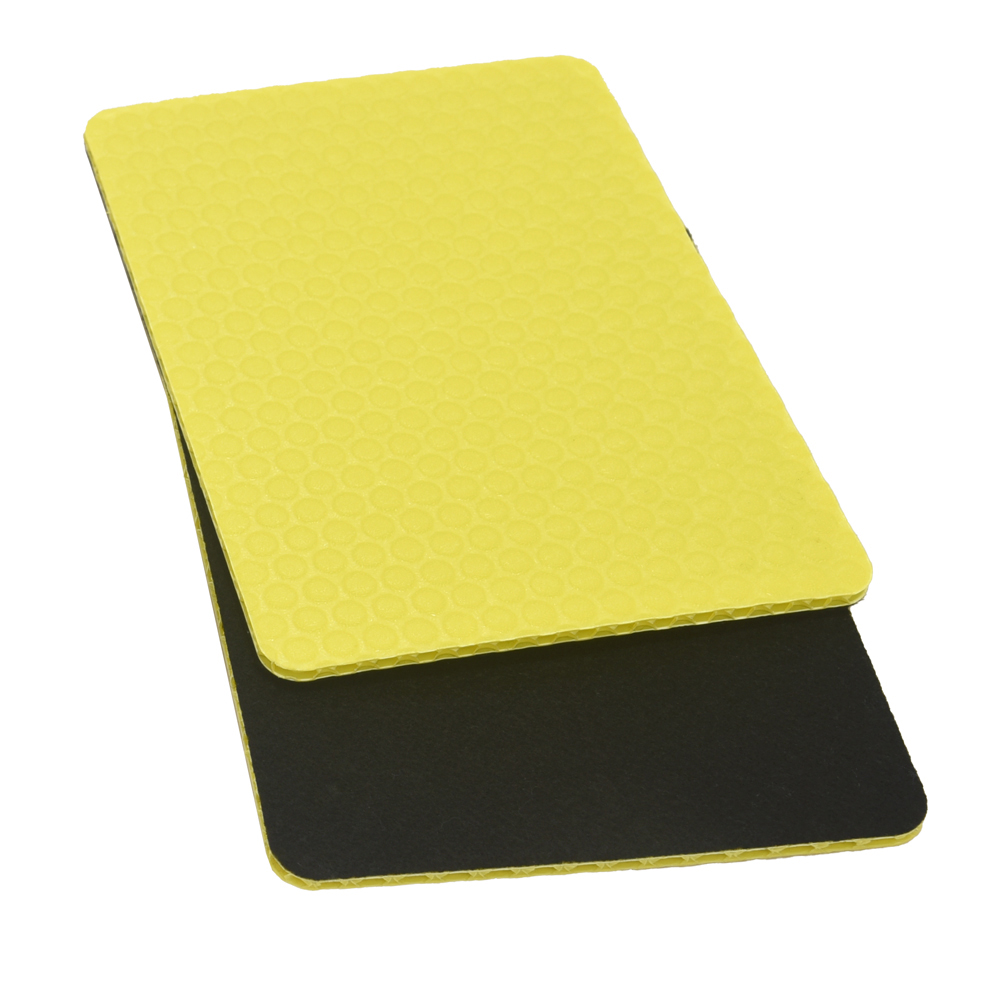
We supply PP honeycomb panels and state deposit, balance trigger and currency on every quote. Tell us your normal terms and we will tell you what we can do – including being clear about what we cannot.