The Real Risk to Gallery Floors And Plinths
Protection is rarely the glamorous part of exhibition changeovers, yet it is the part clients remember when something goes wrong. Leave gallery floors and plinths exposed to plinth and case moves, artwork handling and you are gambling with both the finish and your reputation.
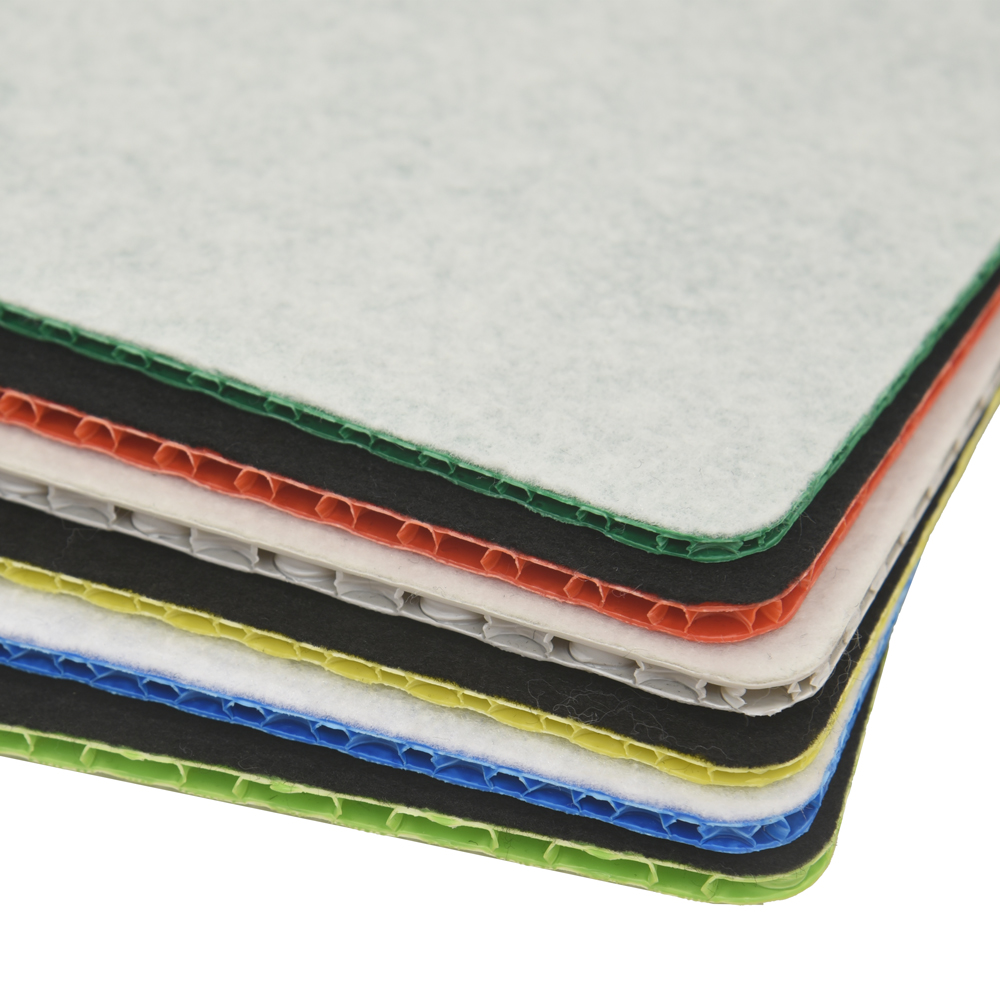
Galleries need covers that protect the floor without marking or shedding near artworks, and left unguarded they quickly pick up plinth and case moves, artwork handling, scaffold and ladder use. A purpose-made polypropylene honeycomb sheet spreads point loads across its rigid cellular core, shrugs off knocks, and keeps what is underneath looking exactly as it did before work started.
Why Prevention Beats Repair
Repairs are never just about the material. Damaging a gallery floor mid-changeover delays the opening and risks exhibits — and that is before you count the programme delay, the difficult client conversation, and the knock to your name. Covering up front removes all three.
Add in lost time, return visits, and the reputational dent, and the case for covering up becomes impossible to argue against.
The Case for Honeycomb Protection Boards
What sets twin-wall PP honeycomb board apart is the combination of rigidity and low weight. It is stiff enough to bridge minor debris and resist point loads, yet light enough for one person to carry, cut, and lay in minutes — exactly what a busy build-out demands.
Because the material is light and stackable, storing and moving it between phases or sites is effortless compared with timber alternatives.
Situations Where Protection Matters Most
You will see this method earning its keep across exhibition installs, gallery re-hangs, and loan-object changeovers. The principle never changes: get a rigid, well-fitted cover down early, keep the joins taped, and leave it in place until the messy work is genuinely finished.
Getting the Cover Down Right
Begin by making sure you cover install routes. Next, board plinth-positioning zones. Then use non-marking rigid covers. To finish, lift covers before the private view. Those few minutes at the outset prevent the overwhelming majority of avoidable damage.
Get the Right Protection for Your Project
From one-off renovations to rolling multi-site programmes, Rulowin provides twin-wall PP honeycomb board tailored to the task — customizable in size, thickness, and surface layer. Get in touch for pricing or a sample to test on your next project.