
Why Freshly Coated Epoxy Floors Need Proper Protection
Before a single tool comes out during the curing window after a resin pour, the smartest crews walk the route and cover what matters. Freshly coated epoxy floors are high on that list because they are costly to put right and quick to mark.
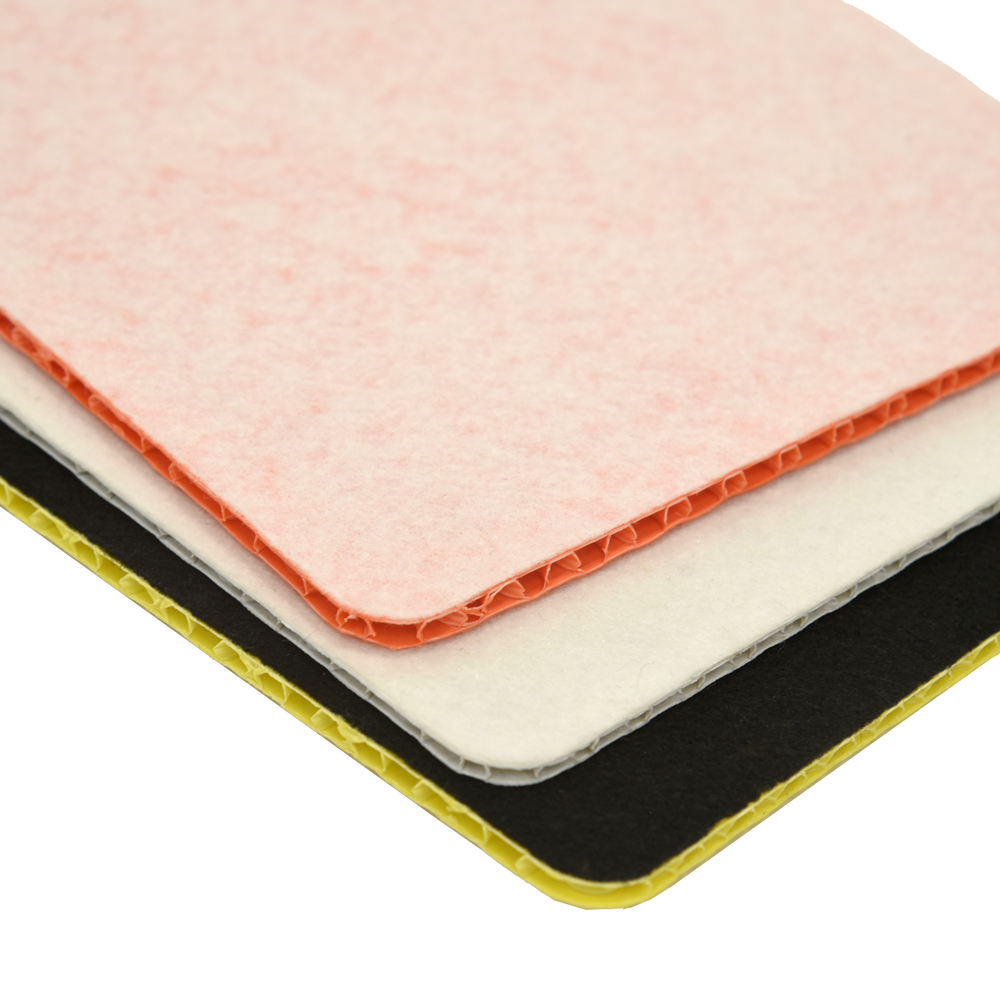
A single boot print can telegraph through a high-gloss epoxy finish, and left unguarded they quickly pick up foot traffic before full cure, dropped hand tools, dragged pallets. A purpose-made PP honeycomb board spreads point loads across its rigid cellular core, shrugs off knocks, and keeps what is underneath looking exactly as it did before work started.
Where This Approach Pays Off
You will see this method earning its keep across warehouse epoxy pour, garage floor coating, and showroom resin finish. The principle never changes: get a rigid, well-fitted cover down early, keep the joins taped, and leave it in place until the messy work is genuinely finished.
The True Cost of Getting It Wrong
Repairs are never just about the material. Re-coating a contaminated epoxy bay means stripping it back and starting over — and that is before you count the programme delay, the difficult client conversation, and the knock to your name. Covering up front removes all three.
Add in lost time, return visits, and the reputational dent, and the case for covering up becomes impossible to argue against.
Why Rigid Honeycomb Protection Works
What sets polypropylene honeycomb sheet apart is the combination of rigidity and low weight. It is stiff enough to bridge minor debris and resist point loads, yet light enough for one person to carry, cut, and lay in minutes — exactly what a busy overhaul demands.
Boards can be trimmed to size on site with a standard blade, taped at the seams, and lifted just as fast when the work is done — no specialist kit required.
How to Lay the Protection Step by Step
A careful routine makes all the difference. Here is the method we recommend:
- wait for the initial tack-free stage
- roll panels out without sliding them
- weight the edges rather than taping the new coat
- keep the area ventilated
Get the Right Protection for Your Project
Choosing the right board is easier with advice from people who make it. Rulowin offers rigid PP honeycomb sheet across a wide thickness range with bespoke sizing, plus felt or anti-slip facings where extra grip is needed. Request a quotation today.