
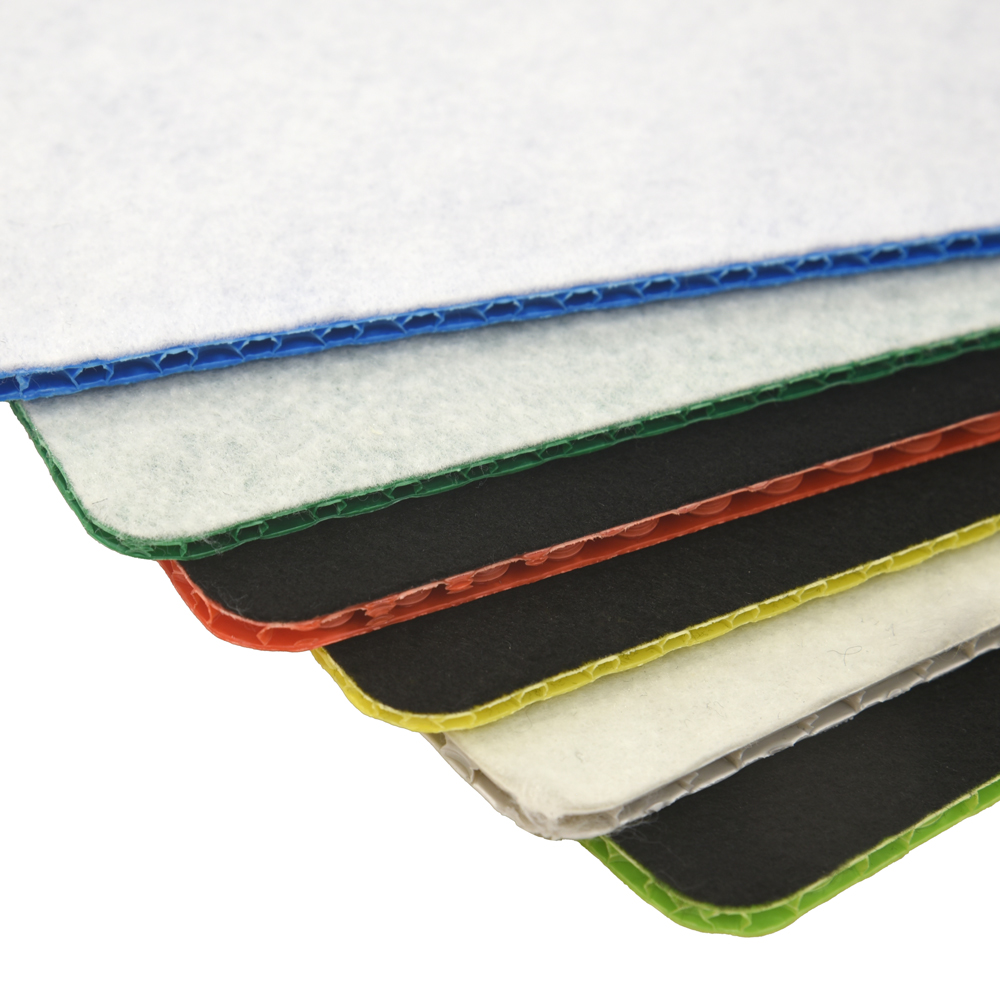
Hiring protection panels is straightforward until the end of the job, when someone counts what came back and applies the contract. The clauses that decide that conversation are the ones nobody reads: the return condition definition, the write-off allowance, and whether the deposit is returnable or treated as the first tranche of payment.
Read the return condition
“Returned in good condition” means whatever the contract says it means. Some agreements accept scuffed and dirty panels because they are going back into a hire pool; others require them cleaned, stacked by size and banded. Labour to meet the stricter standard can exceed the hire cost. Get the requirement in writing and price it before signing.
Damage waiver versus deposit
A damage waiver charges a percentage of hire value and covers loss and damage up to an agreed level. A deposit is held against the same risks. The waiver is usually cheaper for high-risk sites and the deposit better for careful ones, but compare them against realistic expected loss rather than assuming.
Write-off allowance
Some agreements allow a stated percentage of the delivered quantity to be written off without charge – effectively recognising that construction consumes protection. Others charge full replacement value on every missing panel. A five per cent allowance written into the terms is typically worth more than a discount on the rate, because replacement value is charged at retail.
Who counts, and when
Disputes usually arise because return counts happened informally – a driver signs for a quantity nobody verified, or the count takes place weeks after collection when panels have been through a cleaning yard. Agree joint counts at collection with a signed docket, and photograph the stacked panels as loaded.
Off-hire timing
Some contracts bill until off-hire is notified in writing, not until collection. On sites where the last panels sit in a corner for three weeks awaiting access, that clause is expensive. Set a reminder to give written off-hire notice as soon as an area is cleared.
When buying beats all of it
If the write-off allowance is low, the damage waiver is expensive and the return condition is strict, buying often wins outright, because you own the depreciation instead of paying someone else to carry it. Run the numbers both ways before signing a twelve-month framework. We have written about comparing such terms generally in evaluating supplier bids.
Negotiating the terms you want
The three clauses most worth negotiating are the write-off percentage, the return condition, and who pays return carriage. They matter more than rate because they are all charged at replacement value or at retail labour rates when they bite.
Hire companies are usually willing to trade here, particularly outside peak season and against a longer commitment. Asking for a stated write-off allowance often succeeds even when a discount does not, because it costs them less than it appears to cost in the quote.
A note on disputed counts
Where the return count is disputed, photographs taken at loading settle far more than correspondence. Make it a condition of collection that somebody photographs the stacked material, and keep those files with the project commercial records rather than on somebody’s phone.
What we can do
We sell honeycomb protection panels outright and will quote make-up quantities to replace losses, which is often simpler than negotiating hire terms. Tell us how your sites actually behave at strip-out and we will suggest which route is likely to cost less.