
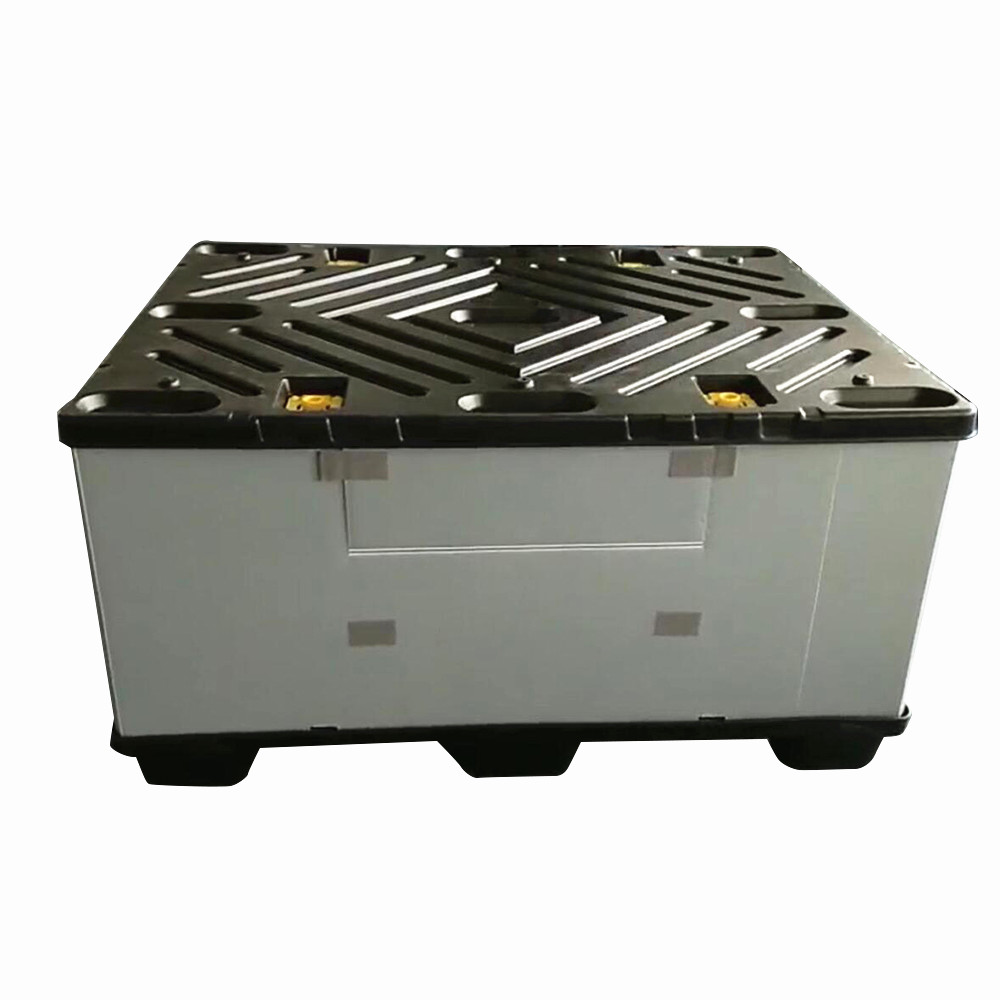
Before an automation project commits to equipment, the existing container fleet needs to be described in numbers. Most fleets have never been measured, and the assumptions in the project – how many containers, what size, what condition – are usually optimistic. An audit is a day’s work with a tape measure, a scale and a notebook, and it changes the specification more often than not.
Question one: what size is it really
Measure twenty containers at random: external footprint, height, and internal dimensions at the top and the base. Record the spread, not the average. The spread is what the equipment will meet, and where it is wider than anyone assumed, that is the first output of the audit. Where a fleet contains more than one nominal size – which is common after years of top-ups – separate them out and count each.
Question two: what condition is it in
Sort the same twenty into three groups: serviceable, repairable, and scrap. Record why each container is in the group it is in. The pattern in the reasons is the most useful output – if most failures are cracked corners, that is a handling problem; if they are base wear, it is a surface problem; if they are deformation, it is a storage or load problem. Each has a different fix.
Question three: how consistent is it
Weigh them, and check whether they stack and nest the way they are supposed to. A fleet from several production runs, or from more than one supplier, often contains containers that look alike and do not interstack. Where containers will be stacked automatically, that is a hard failure. Checking interstacking across the fleet takes minutes and it settles whether the fleet can be treated as one type.
Question four: how many are there
Count what is on site, and separately count what is in transit, at customers, being repaired, or in storage elsewhere. The second number is usually larger than expected and it is the reason fleets run short. Where an automation project increases throughput, the fleet has to grow accordingly, and the audit establishes the baseline to grow from. The sizing method is described in how much box buffer a line needs.
What the audit usually finds
That the spread is wider than the drawing, that a meaningful fraction of the fleet is at or past its serviceable life, and that the total count is different from what the system says. All three are normal and none are catastrophic. Where they are known before the equipment order, they are absorbed into the specification; where they surface at commissioning, they become a programme.
What to do with the result
Three decisions: whether the existing fleet can run on the new equipment as it is, whether it can run after sorting and repair, or whether it has to be replaced. The first is rare, the second is common, and the third is sometimes right where the fleet is old and mixed. Making the decision from measurements rather than from an assumption is the whole point.
Running it again in a year
An audit is a snapshot and a fleet changes. Running the same measurement annually produces a trend: how fast containers are leaving service, how fast the dimensions are drifting, and whether the interventions are working. Where a fleet is being run hard on automated equipment, that trend is the earliest warning available that the containers are no longer fit for the duty.