
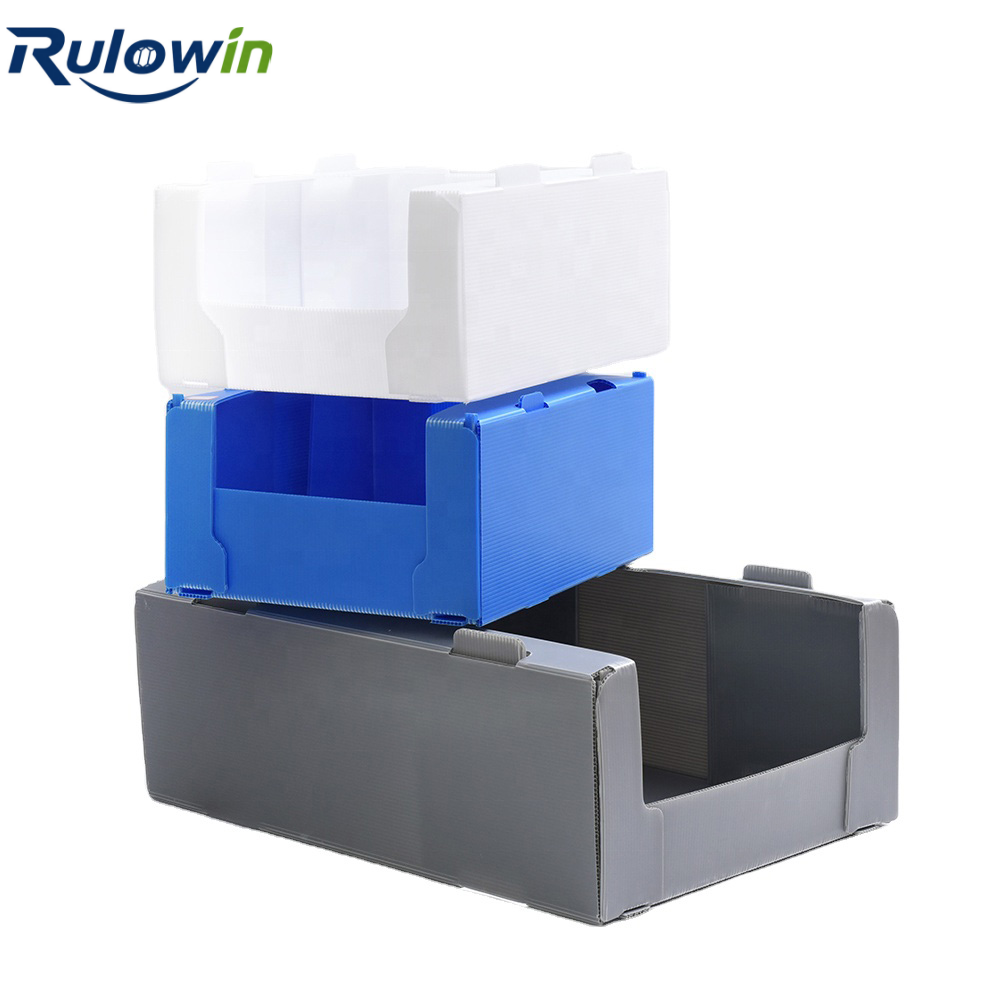
A closed loop fleet spends most of its time somewhere other than the owning site – at customers, at subcontractors, in transit. Managing the fleet means managing that off-site portion, and the only way to do it is to have somebody at the other end count it. Getting them to do that requires giving them a reason, which is a commercial question rather than a logistical one.
Why off-site stock is the unmanaged part
It is out of sight and it belongs to somebody else’s problem. A customer holding two hundred containers has no reason to count them, keep them together, or return them promptly unless something requires it. Where a fleet is managed only at the owning site, the larger part of it is unmanaged by default.
What makes the other end count
A commercial term: containers are charged, deposited, or billed if not returned within a period. That converts the containers from free packaging into something with a cost, and once they have a cost they get counted. Where a lane has no such term, the containers are effectively a gift and they behave like one.
How many are out there
The transit time plus the dwell time at the customer, multiplied by the flow rate. That is a simple calculation and it usually produces a number much larger than the on-site stock. Where a fleet is sized, this is the term that gets underestimated, and it is the reason fleets run short even when the on-site count looks healthy.
Getting a periodic figure
A monthly statement from the customer of containers held, reconciled against dispatches and returns. Where the customer will not provide one, the alternative is to infer it from the flow – dispatched minus returned – which works while the flow is steady and fails when it is not.
What to do when the figure drifts upward
Containers are accumulating at the customer, which means either the flow has changed or the return arrangement is not working. Both are visible in the numbers if they are being kept. Where the accumulation is slow and steady over months, it is usually a return process that has quietly stopped working rather than a change in demand.
Mixed containers at a shared site
Where several suppliers deliver to the same customer in similar containers, containers get mixed. A container that is visibly and durably marked as belonging to a specific company is much more likely to come back. That is a marking decision and it pays for itself in return rate. The identification options are in what a container number should carry.
What to write into the agreement
That the containers remain the property of the supplier, that they will be returned within a stated period, that they will be counted periodically, and what happens if they are not returned. Four clauses, and the first one is the one that makes the rest enforceable. Where a lane has none of them, the containers are effectively unmanaged.
What to do when the number keeps climbing
A rising off-site balance with steady throughput is a return process degrading rather than a demand change. The usual cause is that the collection arrangement depends on one person at one end, and that person has moved on. Asking for a figure, and asking what changed, resolves it faster than escalating a commercial clause – and it usually turns out to be an operational detail rather than a dispute.
What to do with the count
Add it to the fleet total, use it to size the fleet, and watch the trend. A rising off-site balance with steady throughput means the return arrangement is degrading, and it is far cheaper to catch that from the numbers than from a shortage.