
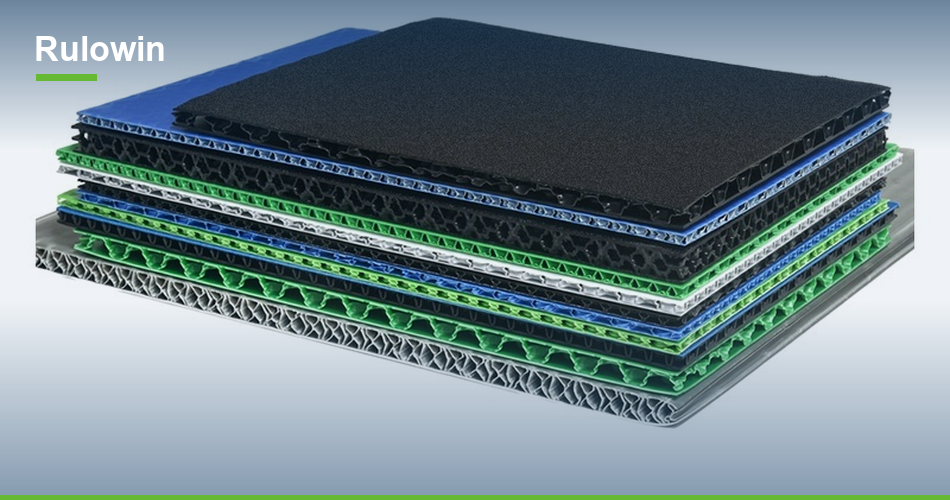
Electrostatic damage is invisible, latent and arguable, which is why ESD packaging arguments last longer than any other packaging argument. The engineering is not complicated: everything that touches the board, or can come close to it, needs a controlled path to earth, and the whole container needs to behave consistently.
What actually has to be controlled
Two things. Charge generation, which is friction and separation, and charge retention, which is a surface property. A container that generates charge and cannot dissipate it will hold a board at a potential that damages it when something touches. That is why the specification is usually expressed as surface resistance within a band, not simply as a low number.
Conductive, dissipative and antistatic are not the same
A conductive material drains charge quickly and can discharge it too fast to be safe. A dissipative material drains it slowly, which is the behaviour most electronics packaging actually wants. An antistatic material only reduces generation and does nothing about the charge already there. Specifications that say only anti-static are incomplete, and confusing the three is the most common error in this area. The numbers behind those bands are set out in what surface resistivity means in practice.
Where the box is in the chain
Inside a plant, boards usually travel in a conductive tote inside a box, and the box is a mechanical container with an ESD function. Between plants, the box is the main barrier and the requirements are stricter. Decide which of those two you are buying before the material discussion, because the answer changes everything about the cost.
Dunnage has to be ESD-safe too
Foam inserts, separators and bags all sit in contact with the product. A dissipative box lined with ordinary foam is a dissipative box that has been insulated from its own contents. Every material that touches the assembly has to be in the same ESD family, and the cheap failure here is a supplier substituting a visually identical foam.
Earth paths and how a box gets grounded
On a bench, a box is grounded through a mat or a strap. In a rack, it may be grounded through the shelf. In a truck, it is not grounded at all, and the box is doing its job purely by containing and dissipating locally. If a box is expected to be grounded during handling, it needs a defined contact point rather than a hopeful metal corner.
Humidity and the seasonal problem
Surface resistance changes with humidity, and plants that pass in summer can fail in a dry winter. Testing and specifying at a controlled humidity, and asking what happens at the low end of the plant’s real range, avoids a surprise in the fourth quarter. This matters more for dissipative than for conductive materials.
Labels, printing and the invisible failure
Ordinary labels and ordinary inks insulate. A box covered in standard labels can lose its ESD path exactly where it is handled most. If the route uses labels, specify ESD-safe stock, and put a printed identification on the box itself so the label count stays low. The same discipline of making a box readable at a glance is what makes counting a box fleet work.
Checking a delivery
Ask for the resistance measurement on the delivered batch rather than on the sample that was tested at quotation stage. Batch variation is real, and a delivery that is out of band is easier to reject before it enters the ESD area than after. A simple meter and a written band on the goods-in instruction is all the equipment required.
Audit the dunnage at the same time, because it is the component most likely to be substituted. A visually identical foam in a different resistance band is the classic failure in this category, and it is invisible to anybody who is not measuring.
What we can do
We build PP honeycomb board boxes and matching ESD-safe corrugated boxes, and we will specify the whole container, dunnage included, to the resistance band and humidity range your route actually sees. Send the device and the route.