
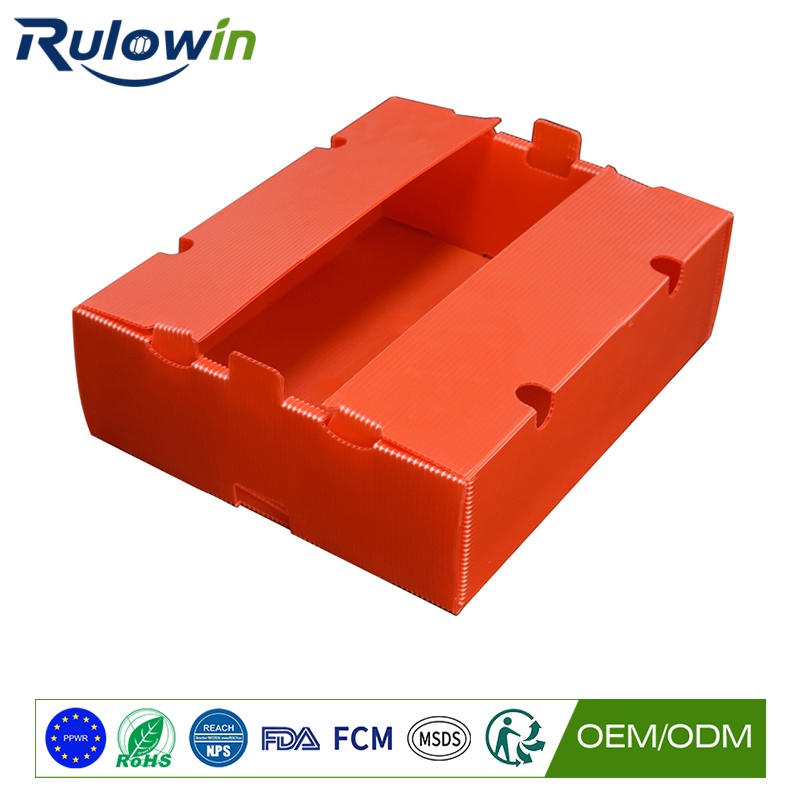
Most operations have a rough idea of how many crates they own and no idea how many they actually have. A season-end reconciliation – one physical count, compared against the dispatch and return records – produces the loss number that every other calculation depends on. It is tedious and it is the single most useful measurement in the whole scheme.
What to count, and when
Count once, at the end of the season, when the fleet is in one place. Count by type and by colour, and separate the serviceable crates from the damaged ones. Doing it while crates are still in circulation produces a number that is wrong and cannot be corrected, so it is worth waiting until the fleet is gathered.
Why the count disagrees with the records
Usually for three reasons. Crates dispatched but never recorded. Crates returned but not counted in. And crates that were never dispatched at all because they were transferred directly between sites. The first two are process problems and fixable; the third is usually a sign that the records do not cover a part of the operation that actually exists.
Finding where they went
If dispatch and return records exist per destination, the reconciliation can be done per destination, and the loss concentrated at one or two of them. That is actionable – a conversation with a specific depot gets more crates back than a general reminder to everybody. Without per-destination records, the count gives a total and no route to fixing it.
Damage versus loss
A crate that is broken in the yard is not lost, but it is not available either. Separating the two matters because they have different fixes: loss is a process problem, damage is a handling or specification problem. A fleet with high damage and low loss needs different crates; one with low damage and high loss needs a different process.
What to do with the number
Set next season’s top-up order from it rather than from a guess. Adjust the fleet size if the count shows crates sitting idle all season, which is the other common discovery – over-ordering is as expensive as loss and much less discussed. And use it to test the business case: a loss rate twice what was assumed usually changes the arithmetic, and it is better to know that in year one than in year five.
Making it easier next time
Count at every transfer point during the season, not just at the end, and the season-end reconciliation becomes a confirmation rather than an investigation. It is more work in total and much less work in one week. Where crates carry an identity, partial counts and scans can replace full physical counts, which is the argument for marking at purchase – see loss rates in a returnable crate scheme.
What to do when the count is short
The instinct is to chase the missing crates. Usually the better first move is to check the records for the transfers that were never logged – the movements between your own sites, the crates taken directly from field to wash, the ones borrowed by a neighbouring grower. Those are frequently the whole discrepancy and they are not lost at all.
Where the shortfall is real, work out where before working out how to stop it. A count per destination turns a total into a list, and the list usually has one or two entries that account for most of it. Fixing two destinations is achievable; fixing a whole supply chain is not.
What we can do
We supply produce crates with permanent moulded numbering that makes counting and reconciliation faster, and we will size a top-up order against a measured loss rate rather than an assumed one.