
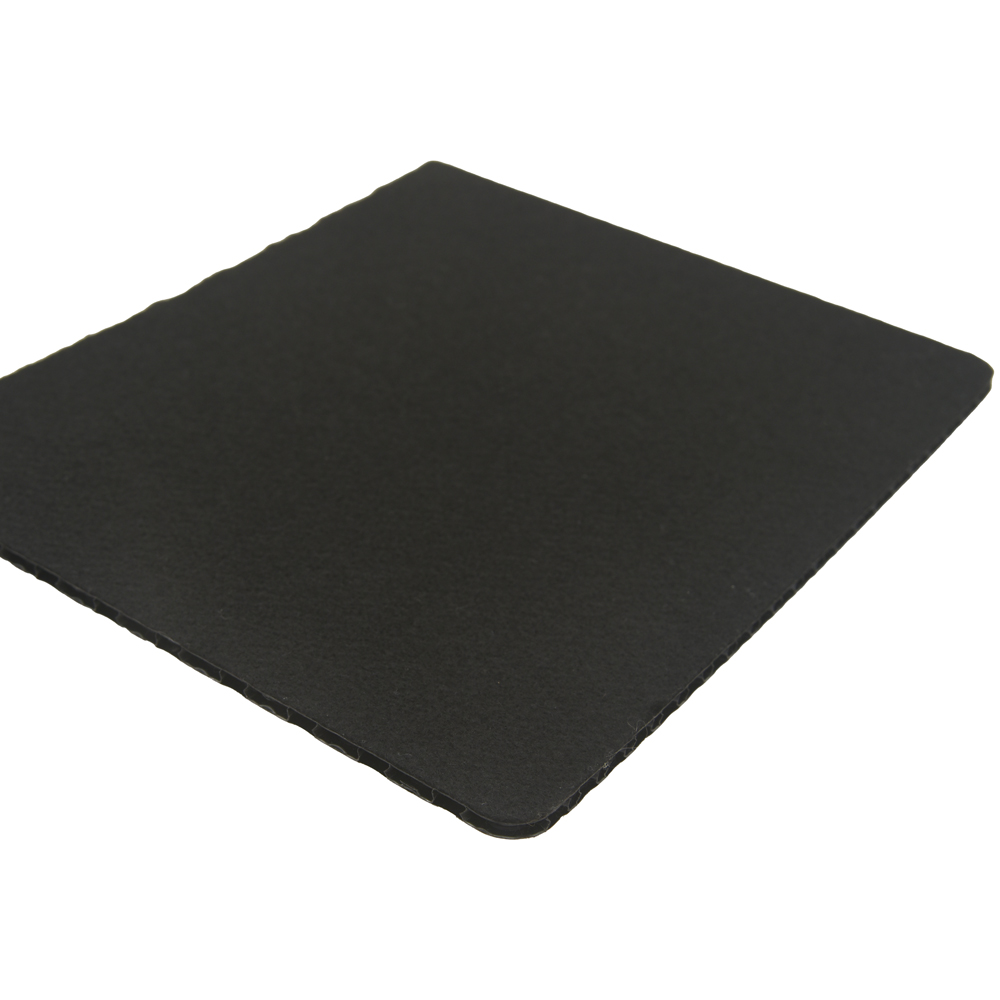
Long programmes damage panels, lose panels and change shape. Two things make that manageable and both are usually left out of the order: a spare allowance and an agreed top-up route. Neither costs anything to arrange at the start and both are expensive to arrange in the middle.
Why spares
Some panels get damaged, some get cut for awkward areas, and some go missing between phases. A ten per cent spare allowance means the next phase starts on time rather than waiting for a delivery. On a rolling programme the spares pay for themselves on the second phase.
Why a top-up route matters
Because the requirement changes. A phase runs long, an area gets added, a grade turns out to be too light. The question is whether a top-up arrives in days or restarts the procurement process. Agree the route at the start: same price, same specification, stated lead time, one call.
Batch consistency on top-ups
Worth stating. A top-up from a different production batch can differ in colour or in stiffness, and on a client-facing floor a colour difference between panels is visible. Ask whether top-ups are held to the original batch, and if not, order enough spares at the start to avoid needing one.
What to keep on site
A small stock of half-size panels is more useful than full-size spares, because halves fit the awkward places and the patch jobs that come up. On a job with a lot of re-laying, halves get used repeatedly and full panels sit untouched.
What to do at the end
Decide what happens to the remaining stock before the last phase finishes – collected, credited, or kept. That clause is missing from most orders and it is the one that causes the end-of-job argument.
What spares should be
Half-size panels, not full ones. Halves fit the patch jobs, the awkward reveals and the short runs that come up on every phase, and they get used repeatedly. A store of full-size spares tends to sit untouched because nobody wants to cut a full panel for a small gap. Ordering ten per cent in halves is worth more than ten per cent in full sheets.
Ordering spares at the start is cheaper than ordering them twice
On an eighteen-month programme, the panels bought in month one and the panels bought in month fifteen come from different production runs. Colour match drifts, and a replacement board that is two shades lighter in the middle of a finished corridor looks worse than a scuffed one. Buy your spare allowance with the first order. Ten percent is a normal figure for a job with cutting; five percent if panels are laid whole and moved between phases.
The second reason to hold spares is that the damage pattern is not evenly spread. Panels at entrances, lift lobbies and the bottom of stairs wear out two or three times faster than panels in the middle of a room. Holding a small stock of loose panels lets you swap the worn ones at handover without cutting new material. Panels that have gone soft or delaminated should be written off rather than re-laid, and the judgement call is described in when to write off a protection panel.
What we can do
We supply PP honeycomb protection board with a spare allowance built into the first delivery and an agreed top-up route for the programme. Tell us the number of phases and how rough the traffic is, and we will size the spares and set the top-up terms.