
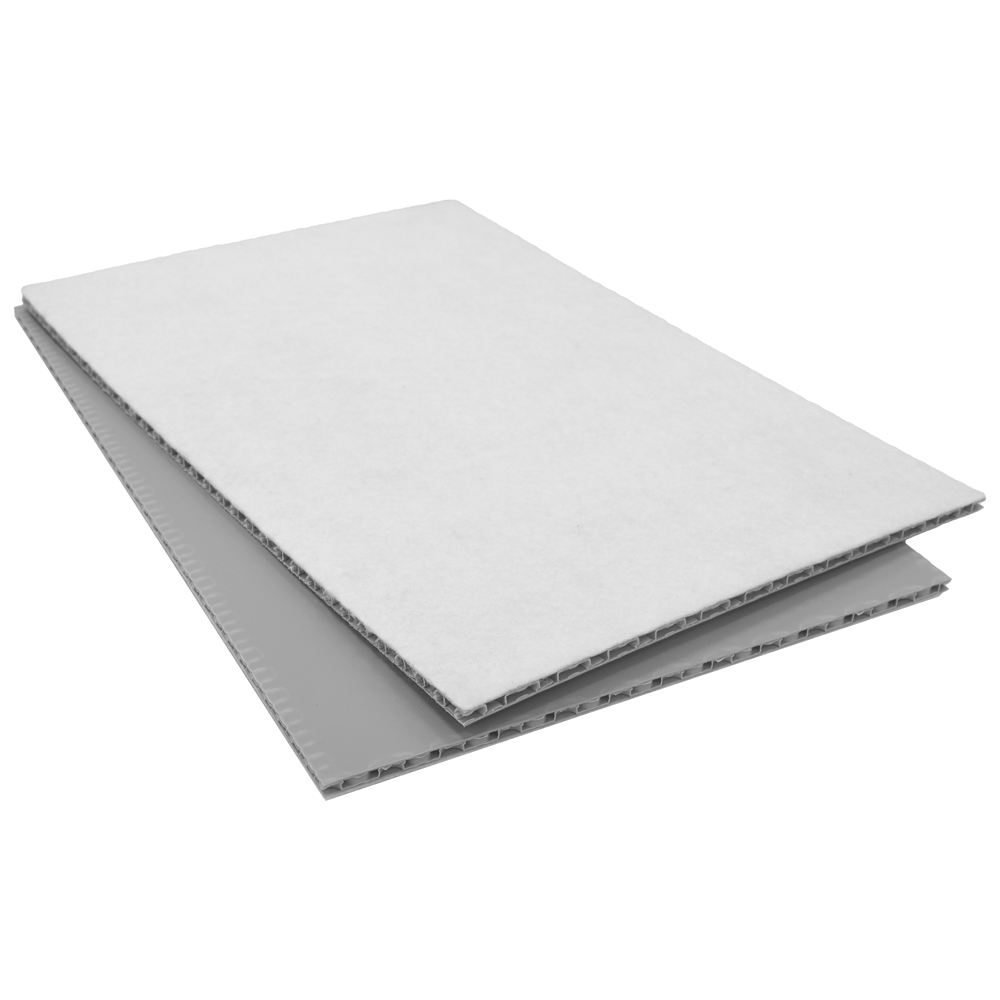
Protection board is a small purchase that carries a disproportionate risk, because the thing it protects costs many times more than it does. That is why support matters more than price here, and why the useful test of a supplier is whether they will commit to a recommendation in writing.
What good support looks like
A supplier asks what the floor is, what will happen on it and how long the works run, and then proposes a grade. That is it. It takes five minutes and it moves the fitness question from the buyer to the supplier, which is where it belongs. A supplier who quotes a price without asking any of those questions is selling a commodity, not solving a problem.
Samples and the willingness to say no
Two reliable signals. Whether samples arrive quickly and without argument, and whether the supplier will tell you their product is not the right answer for something. The second is more important. A supplier who recommends a cheaper product, or who says nothing is needed, is worth keeping.
Documentation
Fire test reports, slip test data, anti-static values, compliance statements and recycled content declarations – available without chasing, and sent with the quote where the project needs them. If a document has to be requested twice, it will be late when it matters.
What to expect on a live job
An answer, quickly. Board gets specified late and needed immediately, so responsiveness during the order window is worth more than anything in the brochure. Ask what the turnaround is on a revised quantity or an urgent top-up before you need one.
Where support has limits
A supplier knows their product, not your floor. They can tell you what the board will do under a load; they cannot tell you what a specific stone will tolerate, or whether an operator will approve it. Those answers come from the floor supplier and the responsible person, and a good supplier will say so rather than guessing.
What to expect on a site visit
A supplier who visits should be looking at the floor, the route and the traffic rather than at the order. If they measure nothing and ask nothing, the recommendation will be generic. Where a visit is not practical, photographs of the floor and the route, plus the heaviest thing that will cross it, are usually enough to get a real answer rather than a safe one.
What good technical support looks like
Good support on a protection enquiry is not a fast quotation, it is someone who asks what the floor is, how long the protection has to stay down, what traffic crosses it, and whether wet trades are working alongside. Those four answers determine thickness, facing, edge treatment and fixing method. A supplier who quotes without asking has guessed, and the guess usually shows up as the wrong panel.
The second thing good support provides is a sample that is big enough to test – not a 100 mm square, but a piece you can walk on, wheel a trolley over and leave a wet boot on overnight. Ask for that before committing to a large order. Where the specification has to be written into a tender document, the structure in what to put in a protection panel specification is the format we work to, and we can complete the performance columns on request.
What we can do
We supply PP honeycomb protection board and will put a grade recommendation in writing against a described floor and risk. Tell us the finish, the traffic and the programme, and we will propose a specification and the documentation to go with it – including saying when you need less than you think.