
Installing plant and machinery is the heaviest floor load most buildings ever see, and it happens after the finishes are down. A machine on four levelling feet, dragged into position and then stood on for years, does three separate kinds of damage – and the protection needs to handle all three.
Dragging is the destructive part
Machinery arrives on a pallet, gets skidded off, and is then inched into place with bars and jacks. Every inch of that is a scrubbing point load on the floor. The mitigation is a continuous rigid runway – panels butted tightly with ramped ends – rather than protection under the machine alone, because the machine is only in one place at the end.
Levelling feet and vibration
Machinery stands on adjustable feet and gets levelled, which means the load moves while it is being set. Once running, vibration adds a dynamic component and can work a foot into a soft floor over weeks. A load-spreading pad under each foot – steel, or a hard polymer – is the standard answer and it stays there permanently.
Standing load and creep
A machine standing for years produces slow deformation in anything polymeric, including some floor finishes and some protection. A panel that will be left under the machine permanently should be specified for standing load rather than for impact, which is a different core and skin combination. Leaving an impact-grade panel under a machine is a slow failure.
Where the load exceeds what protection can do
Be honest: above a certain weight per foot, no floor protection helps and the answer is a plinth, a spreader beam or a structural modification. The calculation is simple – load divided by contact area – and it should be done before the machine arrives rather than after the floor has moved. We would rather say the panel will not do it than sell it and take the call later.
Checking afterwards
Once the machine is down and running, check the floor around it at a week and at a month. Any cracking, any dishing and any movement will show early and is far cheaper to deal with then. Machinery claims are among the most expensive floor disputes there are, and they almost always turn on whether the floor was checked.
Commissioning and the mess afterwards
Machinery installation is followed by commissioning, which means oil, water, flushing and often a leak. The protection needs to stay down through commissioning rather than coming up when the machine is in position, and it needs to be impermeable. Most floors damaged by a machine installation are damaged in the week after the machine arrived, not during the lift.
The route is longer than the machine
Machinery arrives at a loading bay and the route from there is longer and more awkward than the final position. It is the route that gets damaged, because the machine is being moved on it rather than standing on it. Protect the route first and the final position second, and make the route continuous rather than a series of panels.
What the manufacturer specifies
Plant often comes with installation requirements – maximum foot loadings, plinth details, isolation pads. Those override any protection decision, and they are available in advance. Asking for the installation drawing before planning the move is a five-minute task that prevents the most expensive version of this mistake.
What we can do
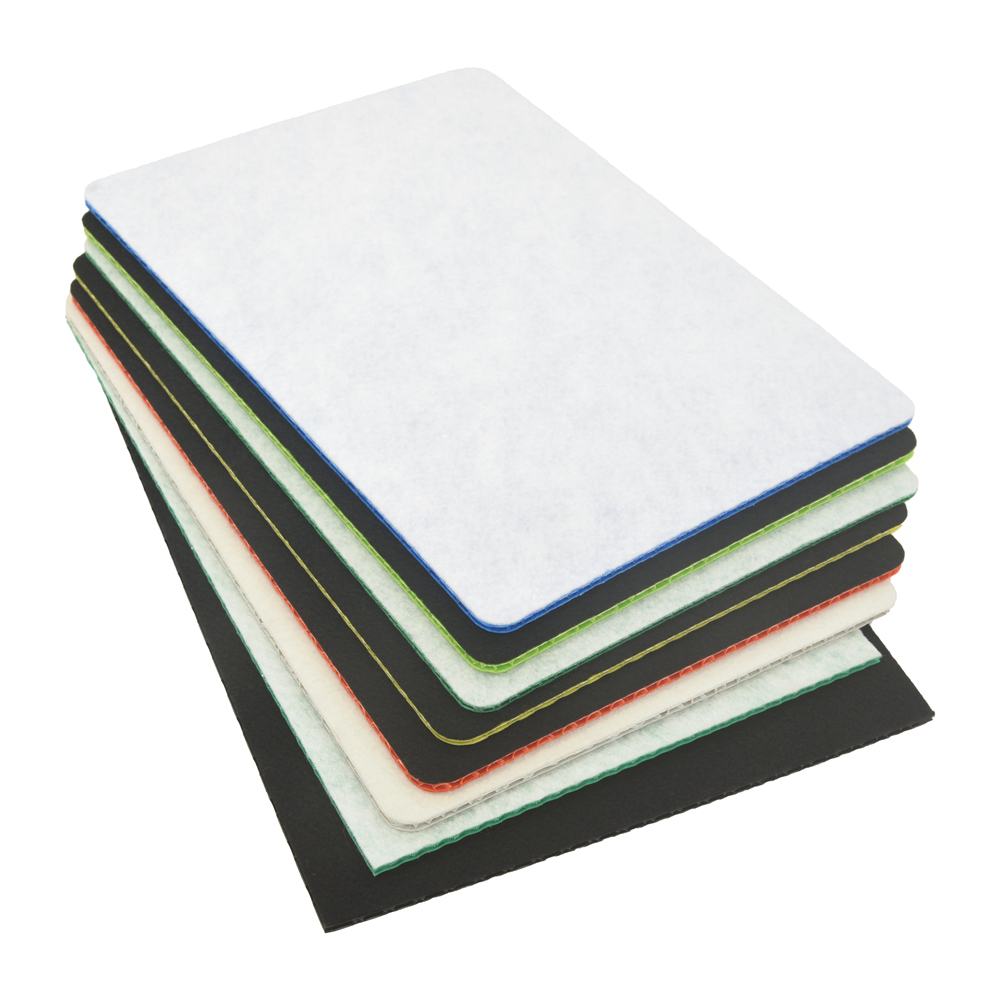
We supply honeycomb panels specified for standing load and can advise on spreader pads and runways. Tell us the machine weight, the foot layout and how it is being moved into position, and we will do the pressure calculation and tell you whether a panel is the answer or whether you need a plinth. Standing load behaviour is covered in scaffold feet and point loads.