
Carpet behaves differently from every hard floor and it is routinely protected with the wrong product. It does not scratch, so abrasion protection is largely pointless. What it does is crush, stain and hold whatever gets spilled into it – and the most common way it gets ruined during a refurbishment is adhesive from the protection itself.
What actually ruins carpet
Three things. Crushing: heavy items and repeated traffic flatten the pile, and in a cut-pile carpet that does not recover, leaving permanent traffic lanes. Spills: paint, plaster and grout soak into the pile and the backing and cannot be extracted. And adhesive: tape left on carpet bonds to the fibres and pulls them out when it comes up, leaving a bald patch that is worse than the spill would have been.
Why hard sheet is the wrong instinct
The instinct is to put something hard and impermeable over the carpet, which deals with spills and does two bad things: it slides on a soft surface, so it creeps and opens gaps, and it does nothing for crushing, which is the damage that actually happens. A cover on carpet needs friction underneath or it will not stay where it is put.
What works instead
A light impermeable cover with a fibrous or high-friction underside, held at the edges, over the routes that get the traffic and the spills. In the areas where only foot traffic is expected, nothing is often the right answer – carpet is designed to be walked on and protecting it from shoes is unnecessary. Protect the route and the work areas, not the whole floor plate.
Working in a live office
People are working alongside the refurbishment, which means trip edges are a real risk and dust is a real complaint. It also means the protection gets moved by people who are not part of the works. Light, easy-to-lift panels that can be put back correctly by anyone are better here than heavy sheets that need two people and get left half-lifted.
Cleaning and handover
Carpet wants a proper clean after the works rather than before, and it wants the protection up with enough time for that clean and for the pile to recover. Lifting protection the day the staff move back in is a mistake – the carpet will be crushed, dirty and flat, and it will look worse than if it had never been covered.
Chair mats and the traffic lane
Office carpet fails first under desk chairs, and during a refurbishment the chairs get moved around more than usual. A chair mat under each working position is cheaper and more effective than protecting the whole carpet, and the mats are reusable afterwards. It is the same logic as protecting the route rather than the area.
Carpet tiles versus broadloom
Carpet tiles can be lifted and replaced individually, which changes the whole calculus: a damaged tile is a five-minute swap rather than a floor problem. Where carpet tiles are specified, protection matters much less and the money is better spent on spill containment. Worth knowing which is being laid before ordering anything.
Drying time after a clean
A cleaned carpet takes hours to dry and cannot be walked on until it has. On a live office refurbishment that means cleaning out of hours and allowing a full night. Cleaning on a Friday afternoon for a Monday start is the pattern that works; cleaning on a Monday morning does not.
The trading-hours version of the same problem, where the public are on the floor while the works continue, is covered in protecting floors in a shop that stays open.
What we can do
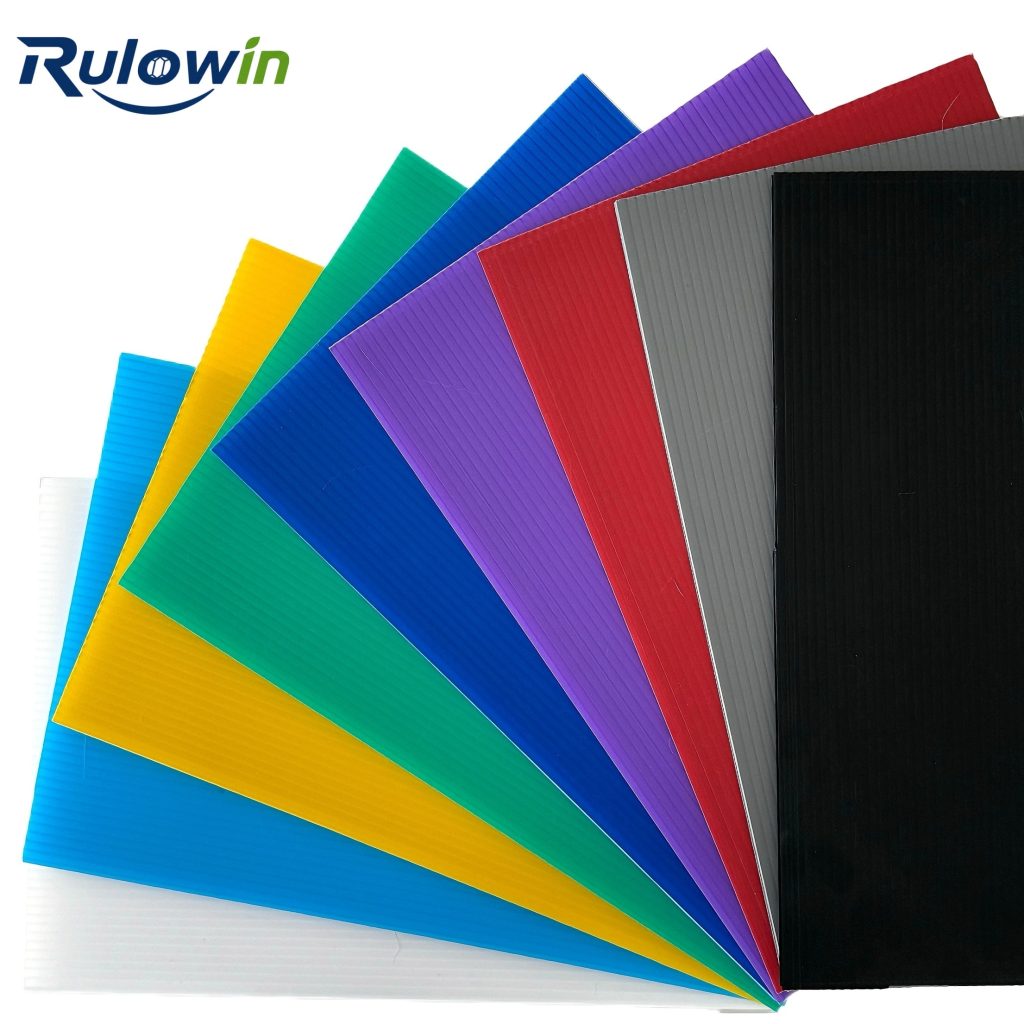
We supply light corrugated PP sheet for spill protection on carpet and honeycomb panels with a fibrous underside for the traffic routes. Tell us what the carpet is, what the works are and whether the office stays occupied, and we will recommend the split – including where nothing is needed at all.