
A floor cover that slides is annoying. A stair cover that slides is dangerous, because what it exposes is the nosing, and because a cover bunched at the bottom of a tread is itself something to trip on. Sliding is the default behaviour on a flight – it has to be designed against rather than hoped against.
Why it slides
Two forces. The slope itself: a stair is a ramp, and any cover with a low-friction underside will creep downhill under its own weight and vibration. And the horizontal component of footfall, which is larger than people expect because walking uphill pushes back against the tread. Every step applies a small downhill impulse to whatever is on the tread, and over a day that is hundreds of impulses.
Friction underneath is the first line
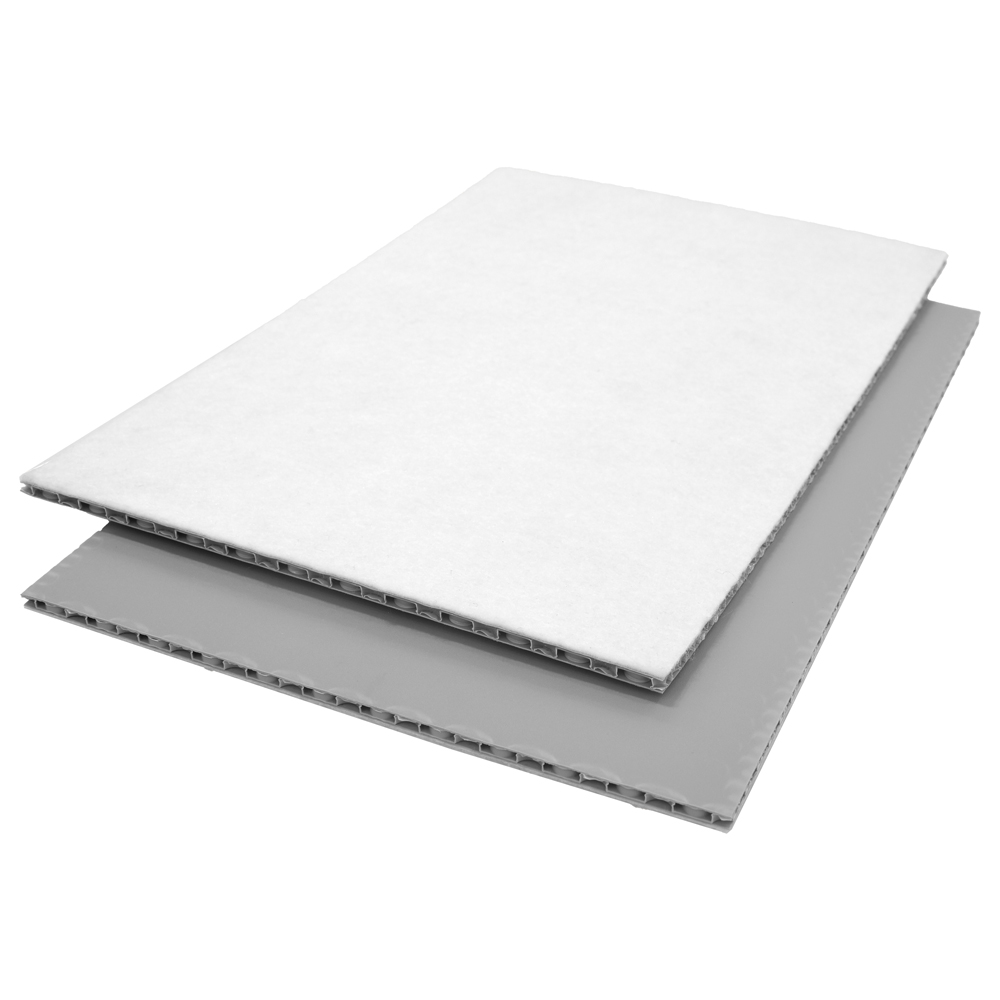
A fibrous or high-friction backing against the tread makes a large difference and costs nothing extra. It is the property to look for in a stair cover, and it is the one that gets missed when a general floor panel is used on a flight instead. A smooth hard underside on a smooth hard tread is the worst combination and it will move, whatever is holding it at the top.
Fixing at the top of the run
The load accumulates downhill, so the top of the flight is where the fix belongs – holding the cover there stops the whole run, rather than trying to hold each tread individually. The fix has to work without penetrating the finish: a batten bearing on the structure above the flight, a bracket at the stringer, or a cover shaped to hook over the top riser. Anything stuck to the tread surface with adhesive risks the same damage it was meant to prevent.
The bottom step takes the load
Whatever slides ends up at the bottom, which means the bottom tread cover is being compressed and pushed by the weight of the run above it. Make that one thicker, or fix it separately, or both. It is also the tread that gets the most traffic and the most surprise, so it wants the most durable cover regardless.
Checking, and how often
On a busy flight, daily. Walk it at the start of the day and look at the nosing line – if any cover has pulled back from the front edge, it is already sliding and it will be off by the end of the shift. On a flight used by fewer people, weekly is enough. Either way it takes less time than re-laying the run after it has bunched at the bottom.
Why the landing joint is the weak point
The junction between the bottom tread and the landing is where covers detach: the geometry changes, the load is highest, and the cover is being pushed into a flat surface that resists it. Treat that joint separately – a ramp or a landing panel that the tread covers bear against – rather than letting the flight run into the landing and hoping.
What we can do
We supply stair tread covers with a high-friction backing, cut to the tread and shaped to hook over the top riser so no adhesive touches the finish. Tell us how many treads, what they are finished with and how busy the flight is, and we will specify the fixing. The underlying problem is described in why stairs need different protection from flat floors.