
Almost every site that has floor damage had protection that was adequate when it was installed. The failure happens later, for reasons that repeat across projects closely enough to be worth listing.
The traffic pattern changes
Protection is usually specified for the traffic expected at that stage – foot traffic, light barrows, occasional deliveries. Two weeks later the mechanical and electrical contractor arrives with pump trucks, the drywall delivery reverses into the lobby, and somebody decides the corridor is a storage area. The specification was correct for a situation that no longer exists.
Other trades treat it as consumable
Protection installed by one package is routinely removed, drilled, cut or covered by the next, because nothing tells them it is somebody else’s asset. Where several trades share an area, either the main contractor includes protection in the preliminaries as a common service, or it disappears piecemeal and nobody can say whose fault it was.
Nobody owns maintenance
Installation has a cost code. Maintenance does not. Torn edges, lifted joints and wet slurry sitting against a finish all need someone to look once a week, and on most sites that role is simply never assigned. The cheapest intervention in protection is usually a named person with half an hour a week, not a better product.
Cleaning is skipped, then abrasive
Grit held between panel and floor under traffic is a lapping compound. Protection that is never lifted and cleaned will mark the floor it was bought to protect. The interval depends on the trades present; during wet trades or external works it can be weekly.
Strip-out happens too early or too late
Protection pulled too early invites damage during the final clean and snagging period, which is exactly when the most people are walking the floor with tools. Pulled too late, it starts coming up in pieces around follow-on works. Agree the strip-out date against the handover sequence rather than leaving it to whoever is last on site. The counting discipline we describe in running protection across several areas applies directly here.
What actually helps
Re-specify protection at each phase gate rather than once at the start. Colour-code by phase so a stray panel is obvious. Put maintenance in a cost code with an owner. And accept that some areas need sacrificial runner material replaced several times, which is cheaper than repairing a floor finish once.
The three-week review
The highest-value intervention costs fifteen minutes: three weeks in, walk the routes with whoever installed the protection and whoever is now using them, and list what has changed. Traffic patterns will have shifted, at least one route will no longer be the one you designed for, and something will have been damaged and left.
Fix what the walk finds – usually relocating a sacrificial runner, re-securing one threshold, and telling whichever new trade is using the wrong route. Repeating it monthly costs less than any protection product upgrade and does more for the outcome at handover.
One question worth asking weekly
Ask whoever is using each route whether it still works for them. The answer changes how the route should be arranged long before protection physically fails, and it takes less time than any inspection carried out without asking anybody.
What we can do
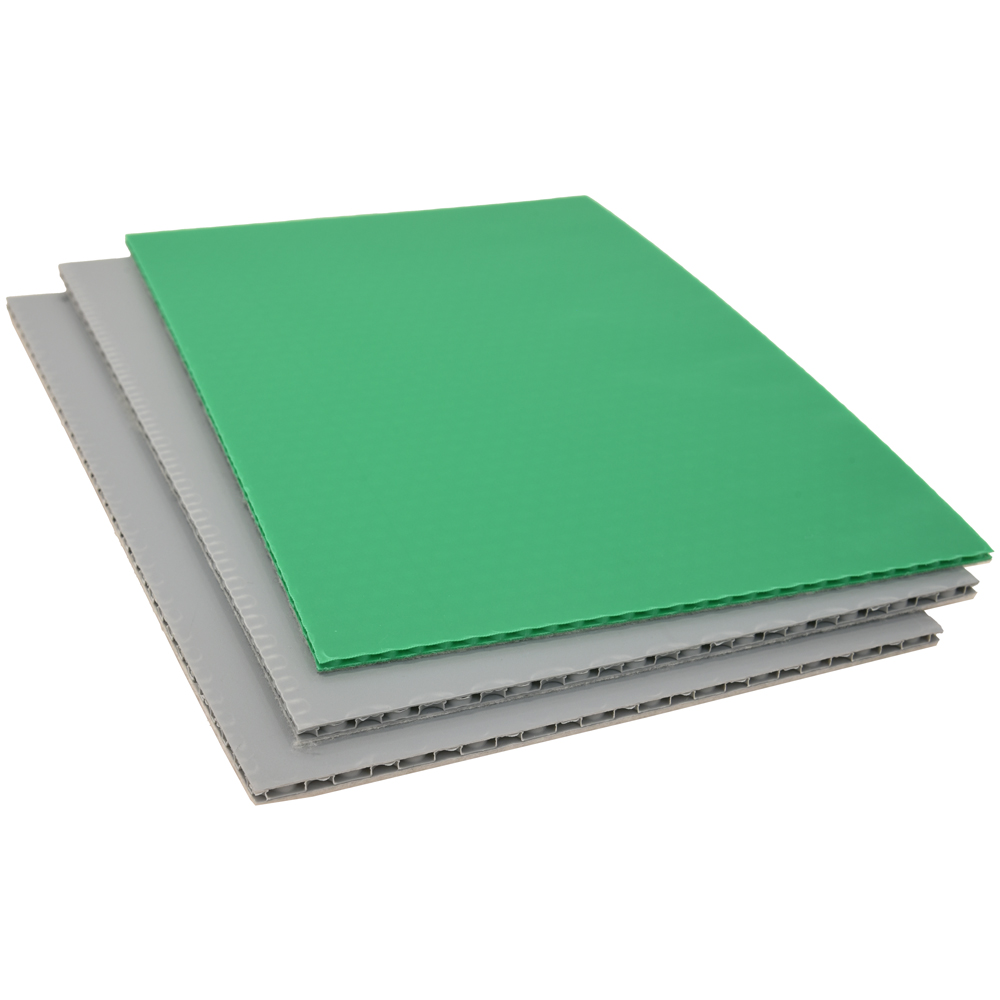
We supply reusable honeycomb floor panels and can phase deliveries so each stage gets what it needs rather than one large order up front. Send the programme and we will flag where we think the specification will be overtaken by the works – including where we think you should buy cheap and disposable.