
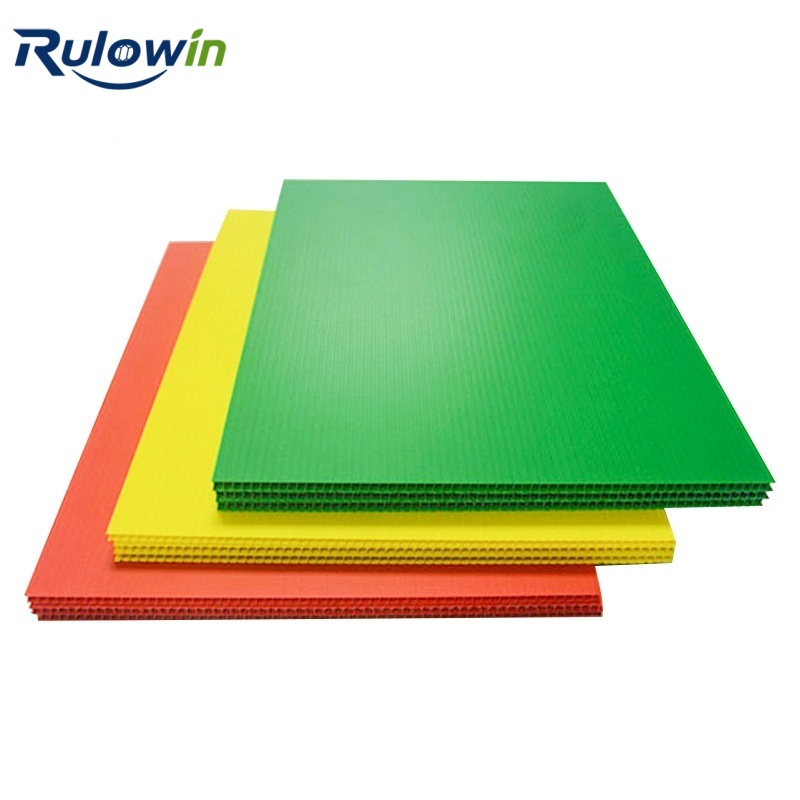
Packaging spend reviews usually start on unit price. The larger savings sit in the number of distinct specifications being carried, and that number is almost always higher than anyone thinks – because variants accumulate quietly and each one seemed justified at the time.
Where the variants come from
A new product launch needs a slightly different sheet size. A customer asks for a specific footprint. A site wants its own colour. None of these are unreasonable, and together they produce a catalogue where half the items move rarely.
The cost is not the unit price. It is tooling, minimum order quantities, the safety stock each variant requires, and the slow-moving inventory that eventually gets scrapped.
Count by movement, not by line item
Sort the catalogue by annual usage. The bottom third usually accounts for a negligible share of volume and a disproportionate share of overhead. Those are the consolidation candidates, and the exercise takes an afternoon with purchasing data.
Find the near-duplicates first
Dimensions twenty millimetres apart are usually the same part specified twice by different people. Merging them onto the larger of the two costs almost nothing functionally – the smaller item’s contents simply have a bit more room – and removes a whole stock line.
Start here because it is the least contentious and often the largest single win.
Standardise on what is actually stocked
Consolidation fails when the chosen standard is a bespoke size only one supplier holds. Where possible, standardise onto a footprint that is widely available, even if it is marginally less efficient. Availability beats optimisation for anything that has to be reordered quickly.
Where consolidation is a mistake
Do not consolidate where the difference is functional: food contact grade, antistatic performance, temperature rating, or a dimension dictated by equipment. Consolidating those saves money and creates failures. The rule is to merge on convenience dimensions, never on performance.
Sequence it
Run down existing stock of the retiring variant while introducing the standard; do not scrap usable stock, because that cost wipes out the saving. Where the retired variant has tooling, note the date after which it will not be reproduced so nobody plans around it.
What the saving actually looks like
In practice the benefit comes from three places: lower safety stock because fewer lines need buffering, fewer dead-stock write-offs, and less procurement time spent chasing small orders. Unit price usually improves only slightly, because consolidating volumes onto fewer items gives modest scale benefits at best.
That means the saving is real but it lands in working capital and in administrative time rather than in the line item everyone looks at. Worth saying up front, because programmes justified on unit price alone tend to be abandoned when the price move disappoints.
Review on a fixed cycle
Variant creep is continuous, so consolidation has to be periodic rather than a one-off project. A review every eighteen months, run from purchasing data, takes half a day and stops the catalogue drifting back to where it started. Ordering sheet cut to size rather than holding a bespoke stock line prevents a good part of the drift in the first place.
What we can do
We cut corrugated PP sheet parts and are happy to tell you which of your sizes are standard for us and which are bespoke, because that is where consolidation savings usually sit. Send the list and we will mark it up honestly, including where we would lose work.