
A supplier sends a food contact compliance statement, it goes in the file, and everyone assumes the product is approved for food use. Months later someone discovers the declaration covered the base polymer at ambient temperature, and the actual application involves fatty food at sixty degrees.
What a declaration actually says
A proper statement identifies the material, the regulatory framework it was assessed against, the food types covered – often expressed as simulants – and the contact time and temperature limits. All four matter. A statement that only names the polymer and the regulation is a partial answer presented as a complete one.
This is not suppliers being evasive. It is that declarations are written to cover the assessed conditions, and the person filing it usually stops reading after the first sentence.
Three things it does not cover
It does not cover the finished article if other components are added – print, labels, adhesives, metal fasteners. Each of those needs its own compliance position, and a compliant crate with non-compliant print is not a compliant crate.
It does not cover conditions outside the stated limits, and fatty or acidic foods at elevated temperature are the usual offenders.
And it does not necessarily cover repeated use. Single-use food contact assessment and repeated-use assessment are different exercises, because repeated use adds cleaning, wear and migration over time. Reusable food packaging should be assessed for the repeated case, and often is not.
Migration is why temperature matters
What migrates out of a polymer into food increases with temperature and with fat content. A contact condition involving chilled dry product is mild; the same polymer with hot fatty product is a different problem entirely. If your application involves heat, say so when you ask for the declaration.
Traceability through the finished item
The chain from polymer to finished pack has to hold. If the converter adds a print, a label or an adhesive, those need declarations too, and somebody has to collect them. In practice this is usually a gap, because each party assumes somebody else has it covered. We covered the broader due diligence problem in what a supplier can honestly say about REACH and RoHS.
Keeping the file usable
Keep declarations per product code with issue dates, and re-request them when the product or supplier changes. A three-year-old declaration is not evidence about what was delivered last week. Assessors check dates first, and stale paperwork is the most common finding.
What to ask for, in one sentence
The most useful request is short: certify compliance for this product code, for contact with these food types, at this maximum temperature, for this contact duration, for repeated use. That single sentence removes almost every ambiguity that causes trouble later, and any supplier who understands the subject can answer it.
Where the answer comes back hedged or generic, treat that as information. It usually means the assessment was not done for your conditions, and finding that out before the audit is worth considerably more than the comfort of a vague document.
What we can do
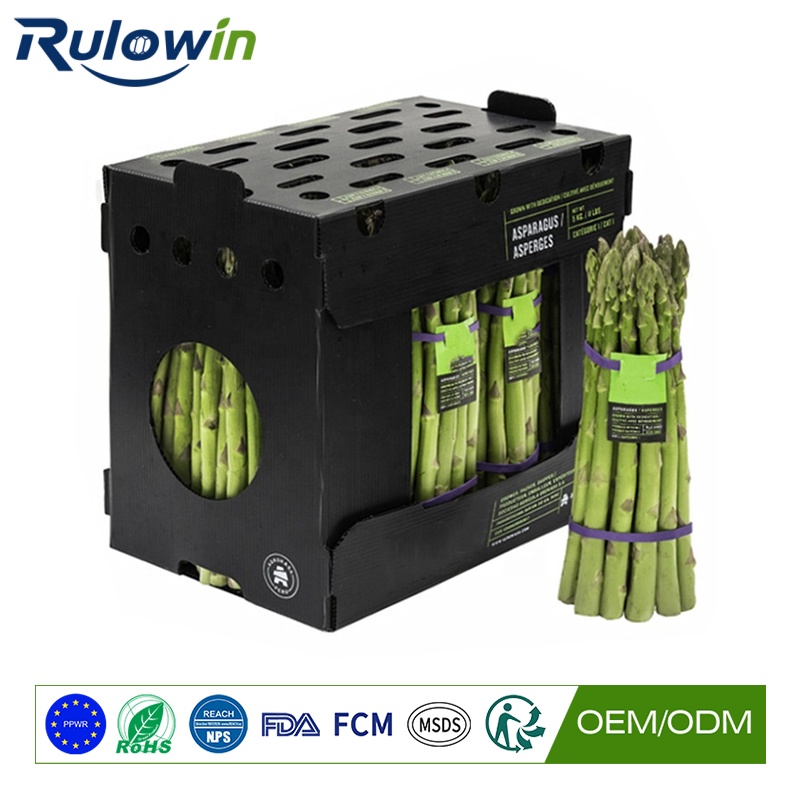
We supply food contact compliant polypropylene crates and can provide declarations stating the framework, food types and temperature limits explicitly. Tell us the food type, contact temperature and whether it is single or repeated use, and we will issue a declaration that actually matches your application rather than a generic one.