
Every packaging supplier now quotes recycled content. Very few can substantiate it in the way a serious buyer’s procurement team will eventually ask for, and the gap between those two positions is where a lot of awkward conversations happen.
What the percentage actually means
A recycled content figure can mean post-industrial material recovered from the supplier’s own process, post-consumer material from collected waste streams, or a mix. Those are not equivalent, and buyers increasingly know it. Post-industrial is easier to source consistently and easier to verify; post-consumer is what most sustainability reporting actually wants.
Ask which. A supplier quoting a single number without splitting them is usually quoting the easier one.
Mass balance versus physical segregation
Directly traceable recycled input is straightforward but limited. Much of the available material comes through mass balance accounting, where recycled feedstock is mixed with virgin in a process and attributed to output proportionally. This is legitimate and widely used, and it is weaker evidence than physical segregation.
Buyers who understand this will ask which basis applies. Answering vaguely damages credibility faster than admitting the weaker position.
The three documents
First, a declaration tied to the specific product code and production period, not a generic company statement. Second, the certification basis – the scheme used and its scope. Third, traceability records sufficient to connect a delivery to a production batch.
Having those three ready converts a two-week email exchange into a single reply. Most suppliers have the first and improvise the other two.
Why virgin material is sometimes the correct answer
For food contact applications, recycled content is heavily restricted because of contamination risk, and the permitted routes are specific and documented. For a long-life PP sheet there is a further argument: a reusable unit with modest recycled content that survives ten years may outperform a high-recycled unit that fails early. Cumulative impact favours service life, and not every reporting framework recognises that yet.
Audit behaviour worth preparing for
Assessors generally test one claim end to end rather than reviewing everything. They pick a delivery, ask for the batch record, then the input record, then the certificate. If those four connect, the rest is usually accepted. Preparing that one chain is far more valuable than producing a folder of general statements – a point made repeatedly in preparing for a customer packaging audit.
Recording it honestly
A claim of “contains recycled content” with no figure, no basis and no period is worse than no claim, because it invites the buyer to assume more than you can support. Either make a specific, substantiated claim or describe what you do without a number, which is the approach we set out in recycled content claims you can put in writing.
How to phrase a claim you can defend
State the proportion, the type of recycled material, the accounting basis and the period, in one sentence. Anything shorter invites assumptions you cannot support, and anything longer suggests you are compensating for something.
Then make sure purchasing, sales and sustainability all use the same sentence. Most credibility problems in this area are not about the underlying facts, they are about three departments quoting three different versions of the same claim to the same customer.
What we can do
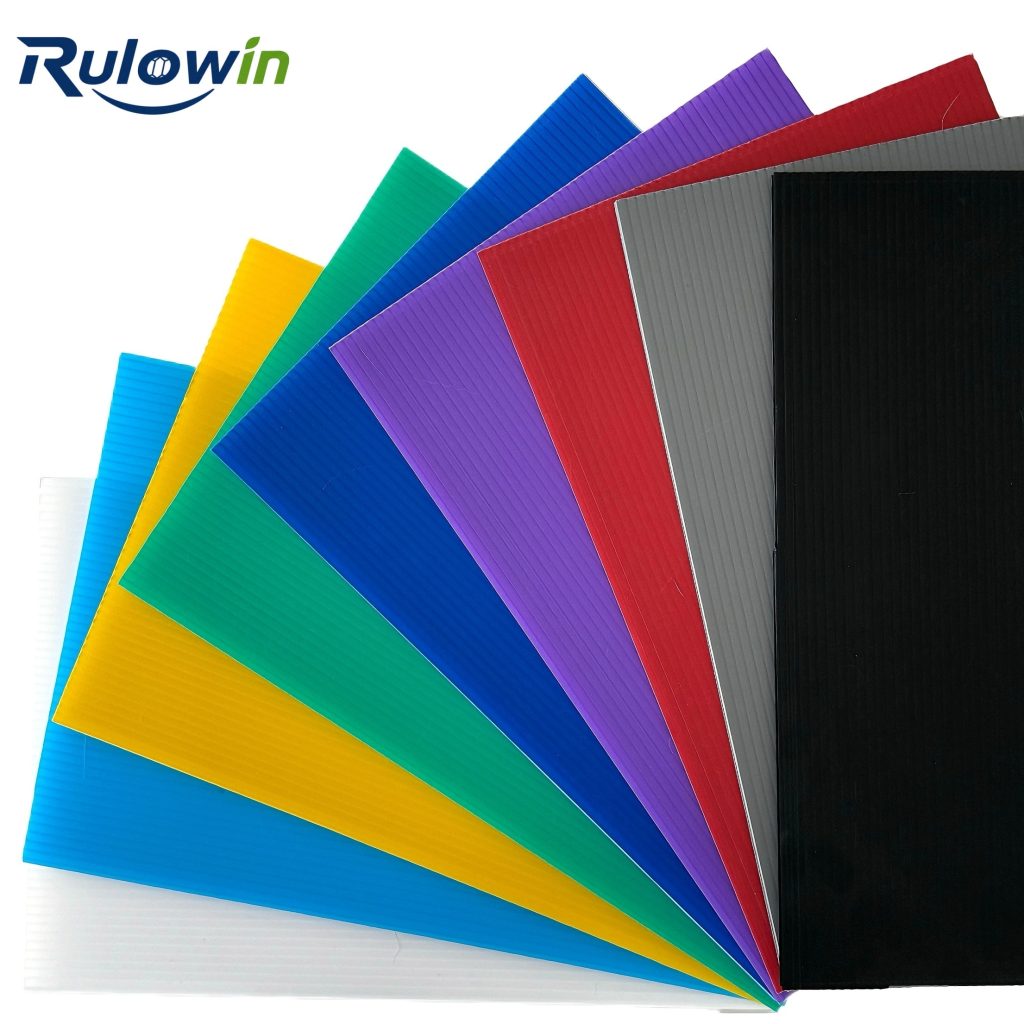
We produce corrugated PP sheet with specified recycled content and can state the basis, the proportion and the period in writing. Tell us what your customer is asking to see and we will either supply it or tell you which part we cannot support – we would rather lose the claim than lose the credibility.