
Two abbreviations get used loosely in packaging sourcing, and the gap between them is where a lot of budget and a lot of disappointment lives. They are not two words for the same arrangement.
OEM: you specify, they make
You provide the drawing or the specification; the supplier makes to it. Tooling is usually dedicated to your part, lead time includes tooling, and the specification is yours – which means you can take it elsewhere in principle.
The cost is tooling and the time to get it right. The benefit is a product that fits your application and a specification you control.
ODM: they design, you brand
The supplier has an existing design and produces it with your colour, marking or packaging. No tooling cost, short lead time, low minimum quantity.
The cost is that the design is not yours and not optimised for you. It will be close enough for a lot of applications and wrong for some, and you will not be able to change it without moving to an OEM arrangement anyway.
Also worth knowing: the same ODM design is often being sold to other buyers. If differentiation matters to you, it does not exist here.
Which one to choose
ODM if the requirement is generic, the volume is modest, and speed matters. A standard crate, a standard reel, a standard panel – there is rarely a reason to tool something new for those.
OEM if the fit matters, the volume justifies tooling, or the item is part of a system that has to work with something else. A dunnage fixture, a crate with a specific footprint, a bore to match your equipment – these need specifying.
The middle case, which is common
An existing tool, modified. A different vent pattern, a modified handle, a different bore – changes within an existing mould cost a fraction of new tooling and land somewhere between the two. Worth asking for explicitly; suppliers do not always offer it unprompted.
Thresholds and tooling economics are covered in what the MOQ is for custom PP crates.
What to check in either case
Who owns the tooling, and what the arrangement is if you want to move production. Whether the specification is documented well enough to re-order in three years. And what happens if the supplier discontinues the design you have branded.
At low volume, do not tool
The most common sourcing mistake we see is paying for tooling at a volume that will never recover it. Before committing, divide the tooling cost by your realistic annual volume over three years and look at what it adds per unit. If the answer is a large fraction of the unit price, buy the standard item.
A slightly imperfect standard product at a third of the cost is nearly always the better commercial decision at modest volume. Tooling is justified by volume, not by ambition.
And a question worth asking early
Whether an existing tool can be modified rather than replaced. Changing a vent pattern, a boss, a bore or a handle within an existing mould costs a fraction of new tooling and gets you most of what a bespoke design would. It is the option most often available and least often offered – so ask for it by name.
What we can do
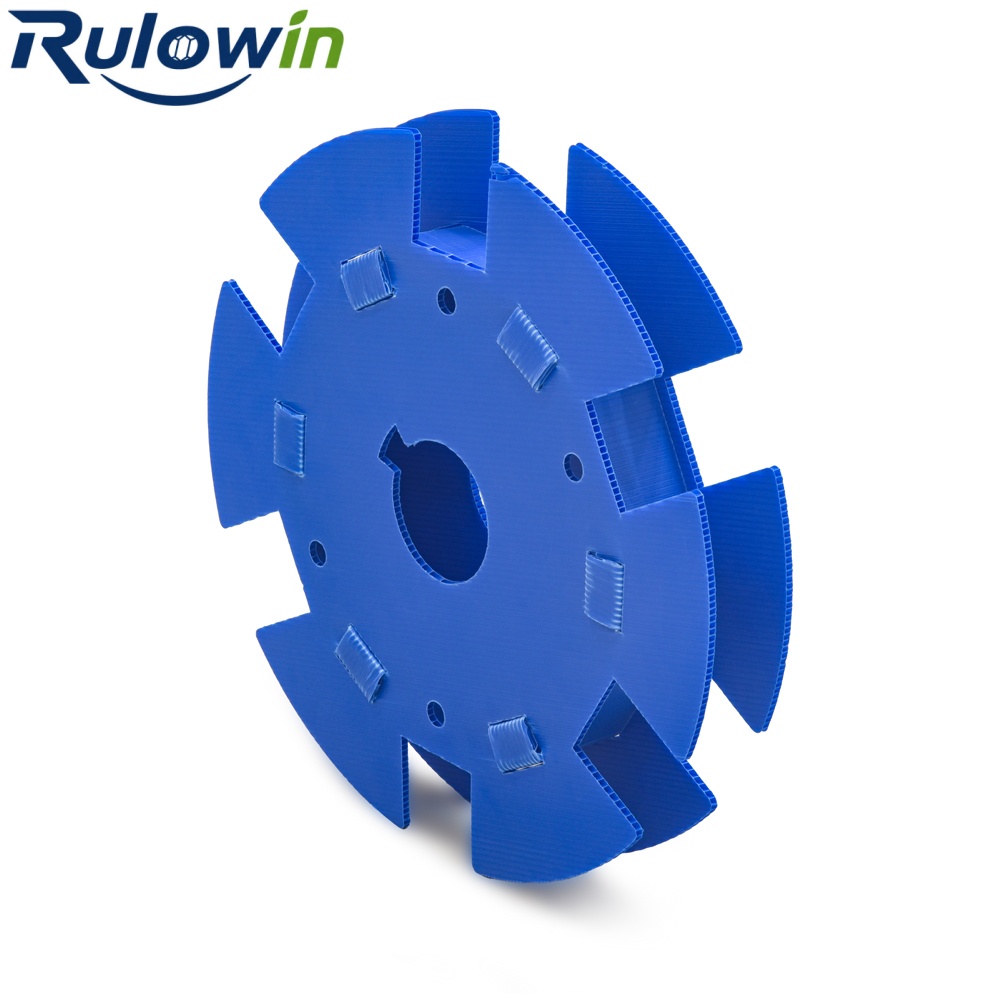
We supply PP fiber cable reels on both bases and will tell you which suits before quoting. Tell us the volume and whether the fit matters, and we will say plainly whether new tooling is justified – usually, at moderate volume, it is not.