
Whether to buy packaging from the factory or through a distributor is usually treated as a price question and is mostly a specification question. The two channels differ in what you can change, what you can ask, and how quickly you get an answer when something goes wrong.
What factory-direct gives you
Specification. You are talking to the people who set thickness, resin and tooling, so changes are possible and non-standard items are quotable. A distributor sells what they have.
Price at volume, once you are above the point where the intermediary’s margin matters. And technical answers – if a flange cracks or a panel bows, the route to someone who knows why is short.
Against that: higher minimum quantities, longer lead times, and more of your own time spent on specification and freight.
What a distributor gives you
Speed and small quantities. Stock is held, orders ship in days, and a mixed pallet of different items is possible – which for a maintenance or a project buy is often the whole requirement.
Also: one invoice for many lines, and local returns handling. For an operation buying modest quantities of several things, that convenience is worth real money.
Against that: you buy what they stock, and consistency across reorders is not guaranteed – their supply comes from wherever they bought it, and next year’s item may not be this year’s.
Where the crossover sits
Roughly where your annual volume makes the factory’s minimum quantities comfortable and where specification starts to matter. For a standard item bought in steady modest volume, a distributor is usually better value once you count your own time.
For anything custom, anything with a real specification, or anything where you have been burned by inconsistency, go direct.
The hybrid most operations end up with
Direct for the high-volume repeat items, distribution for the tail. That is not indecision – it is usually the cheapest configuration, because the margin you pay a distributor on small lines is less than the administrative cost of managing them directly.
We covered the channel question for reels specifically in where to buy fiber optic cable reels in bulk.
Two questions to ask either way
Who made it – not to bypass anyone, but so you know whether a technical question has a destination. And what happens on a non-conforming delivery. Both are quick and both are predictive.
The question to ask a distributor
Where does the stock come from, and will next year’s be the same as this year’s. A distributor buying opportunistically will supply a perfectly good product that changes specification between orders – which for a returnable system that has to fit with existing parts is a real problem.
A distributor who can name the manufacturer and commit to continuity is offering something closer to factory-direct with the convenience intact. That is the combination worth paying for.
And what changes at renewal
Direct relationships tend to improve: terms, lead time and priority all get better with history. Distributor relationships tend to stay flat, because the margin is fixed and the service does not deepen. Over three years that difference usually exceeds the headline price gap – which is why the direct route wins on the items you will still be buying in year three.
What we can do
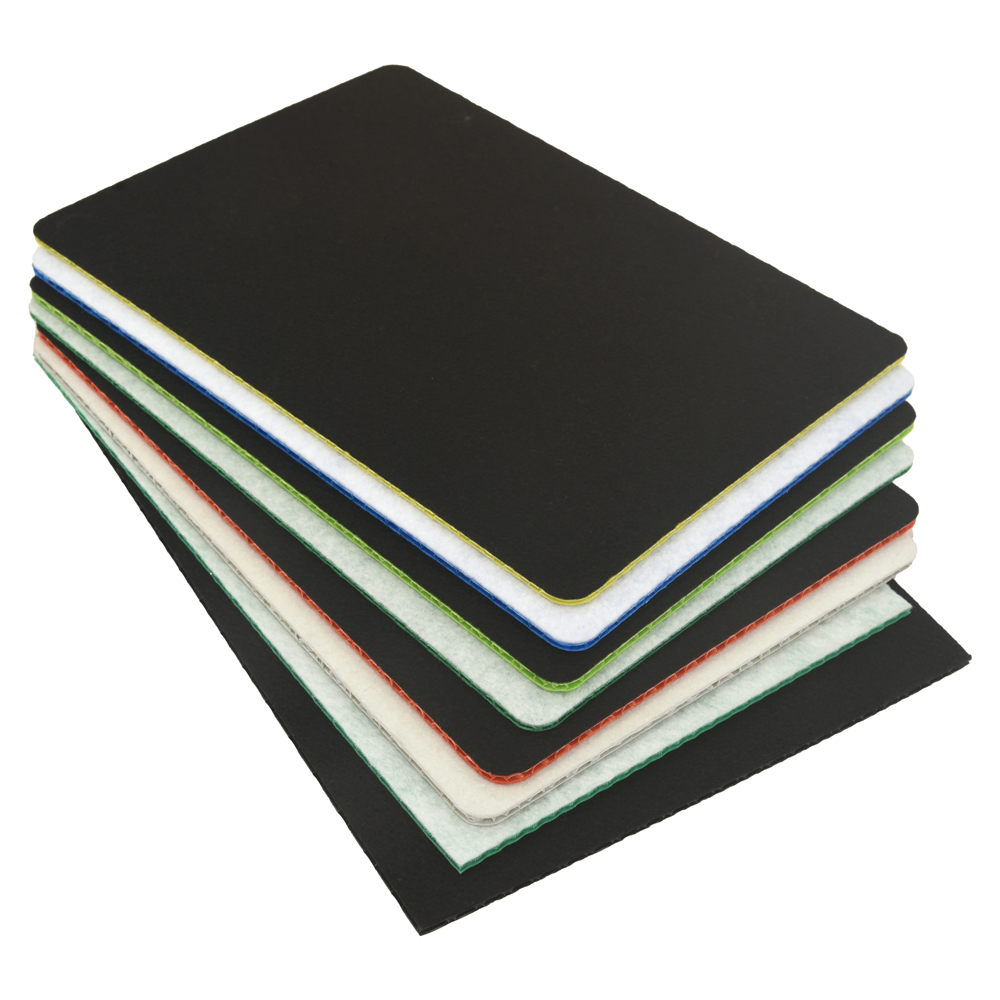
We supply PP honeycomb panels direct and will tell you honestly when a distributor is the better channel for your volume. Tell us the quantity and how much specification matters, and we will say which way it falls – including when it is not us.