
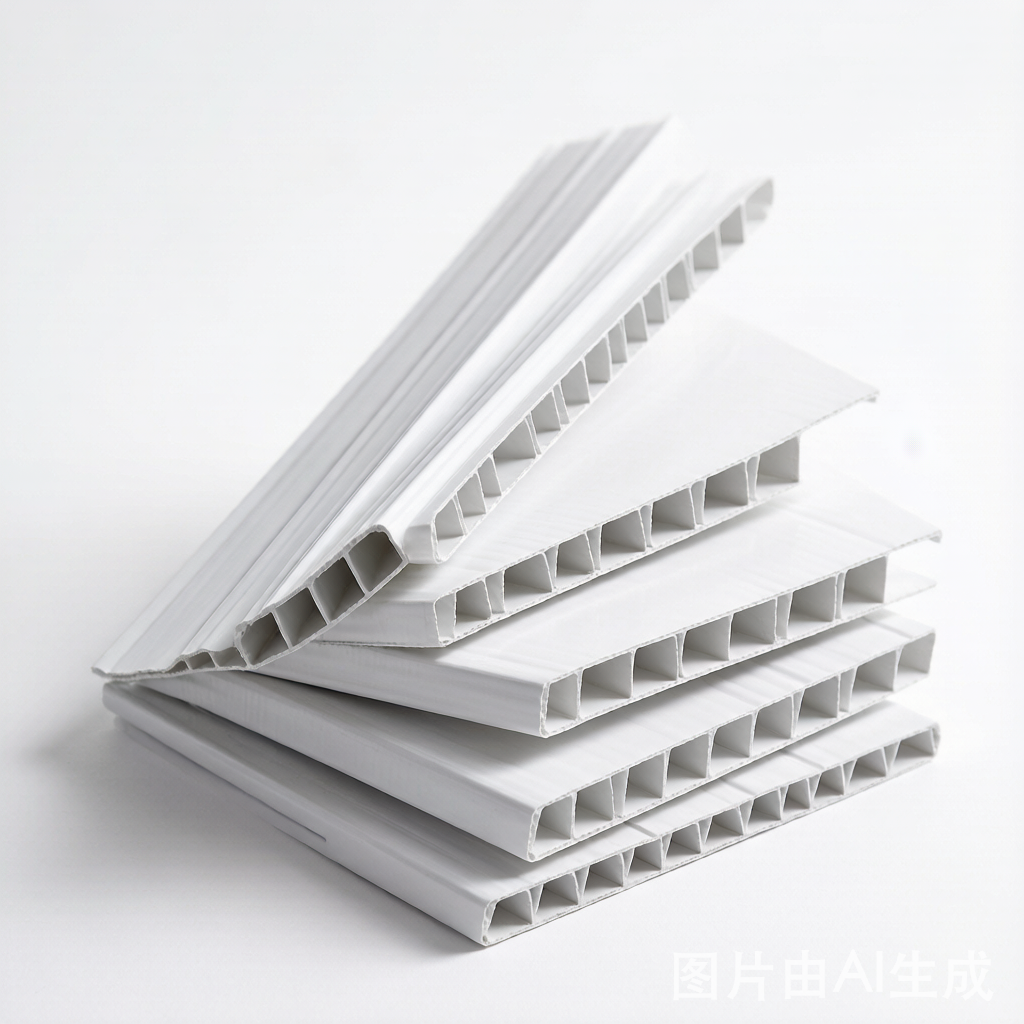
A factor-of-two difference on what looks like an identical item is common in packaging, and it is rarely explained by one supplier being expensive. Four causes account for nearly all of it, and three of them are specification differences dressed up as price differences.
Cause one: not the same specification
The most common. Both quotes say “4 mm corrugated sheet” and one is 4.0 and the other is 3.6, or one is virgin resin and the other has recycled content, or one has UV stabiliser and the other does not. On paper they are the same line item.
Put the specifications side by side before comparing prices. If a quote does not state thickness, grammage and resin, it is not comparable – it is a guess with a number attached.
Cause two: different delivery terms
Ex-works, FOB, CIF, landed. On a bulky, light product, freight is a large share of landed cost, and the difference between an ex-works and a landed figure can be most of the apparent gap. Convert to a common basis before drawing conclusions.
This is the single most common cause of a wrong sourcing decision in packaging, and it is entirely avoidable with one email.
Cause three: quantity breaks
Setup and tooling costs are fixed and get spread across units. A quote for a small quantity carries them heavily; the same item at container quantity carries them barely at all. Two quotes for different quantities are not comparable, even from the same supplier.
Ask both suppliers to quote the same quantity, and ask where their quantity breaks are. Knowing the breaks often changes what quantity is worth ordering.
Cause four: actual price difference
Sometimes it really is price. Different resin purchasing, different factory loading, different margin. That is a legitimate reason to move – but it is the last explanation to reach for, not the first.
There is also a fifth, quieter one: one supplier has understood the application and the other has not. A supplier who has asked questions has usually priced something more appropriate, and sometimes that is more expensive for a good reason.
How to compare honestly
Normalise specification, delivery terms and quantity, then compare. That is three emails and it turns an apparently chaotic set of numbers into a clear one.
Then take a caliper to samples. Physical measurement settles what paperwork leaves ambiguous, and it takes seconds. The checking routine is in how to check corrugated sheet quality.
What to say to the cheaper supplier
Not “can you match this”. Ask what the price is based on: thickness, grammage, resin, additives, quantity, delivery term. One email, and the answer usually resolves the gap – either the specification differs and you have found the explanation, or it does not and you have found a genuinely better price.
If the answer comes back vague, that is the answer. A supplier who cannot say what their price is based on is quoting from a list rather than from a specification.
One check that settles it
Ask both for a sample and measure it. A caliper and a set of scales cost very little and resolve what paperwork leaves open. Thickness, grammage, and whether the two samples are the same product – five minutes, and it converts an argument into a measurement.
What we can do
We supply PP corrugated sheet and quote with thickness, grammage, resin and delivery terms stated, so the comparison is straightforward. Send us two competing quotes if you like – we will tell you honestly where the difference is, including when it is ours.