
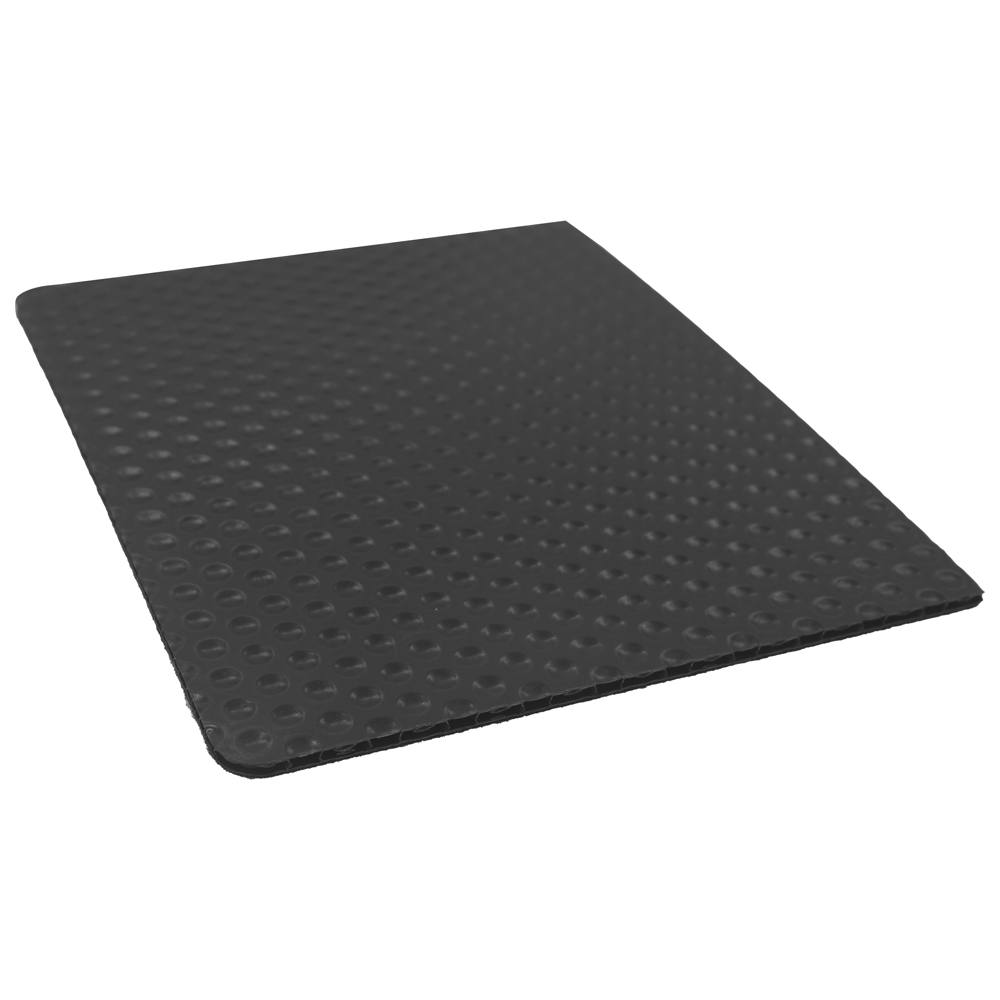
Ask how many trips a dunnage tray will last and you will get a number. Ask how that number was arrived at and the answer usually gets vague. Trip life is not a property of the tray – it is a property of the tray in a specific loop, and the loop does most of the damage.
What actually kills trays
In rough order of how often we see it:
- Handling at the ends. Empty trays dragged across a floor, thrown onto a stack, or pulled off the bottom of a pile. This does more damage than the loaded transit.
- Washing. Repeated hot washes with aggressive detergent oxidise the surface and embrittle it. A tray washed every trip ages far faster than one washed every ten.
- Fork contact. A misplaced fork tine into the side of a tray is usually terminal, and it happens more often than anyone admits.
- Strap damage. Strapping over an unprotected edge crushes the core and opens a route for water.
- Outdoor storage. UV exposure degrades unprotected PP within a season or two.
Note that almost none of these are about the part being carried. A tray carrying a light, benign part can have a shorter life than one carrying something heavy, purely because of where it is stored.
Why quoted figures differ
A supplier testing a tray on a bench with careful handling will get a high number. The same tray in a plant where empties get stacked six high on a cracked concrete floor and dragged with a hook will not. Neither number is dishonest; they are measuring different things.
How to get a number you can use
Define what failure means first. Is it the tray breaking, or the tray no longer protecting the part? These are different, and the second one usually arrives much earlier. A tray with a crushed corner may still be usable; one with a worn locator that lets parts touch is finished.
Run a pilot with marked trays. Number twenty trays, date them, and inspect them on a fixed interval. Record which failure appears first. Twenty trays is enough to see the pattern within a few months.
Track the loss rate, not just the life. Knowing a tray lasts sixty trips is less useful than knowing you lose four percent of the fleet per month, because the loss rate is what you budget for.
What a realistic range looks like
For honeycomb trays with proper edge treatment in a reasonably disciplined automotive loop, several years of regular use is normal, and we have customers well past that. In a loop with daily hot washing and rough empty handling, the same tray can be a fraction of that. Anyone who quotes a single number without asking about your washing and empty handling is guessing.
Designing for the loop you have
If your empties are handled roughly, spend money on the edges and corners rather than on the panel thickness – that is where the damage starts. If washing is the driver, the facing film and the weld quality matter more than the core.
What we will tell you
We will ask about washing frequency, empty handling and outdoor storage before we quote a dunnage tray, and if those answers are bad we will say the tray will not last as long as you hope. It is a cheaper conversation to have before the order than after.