
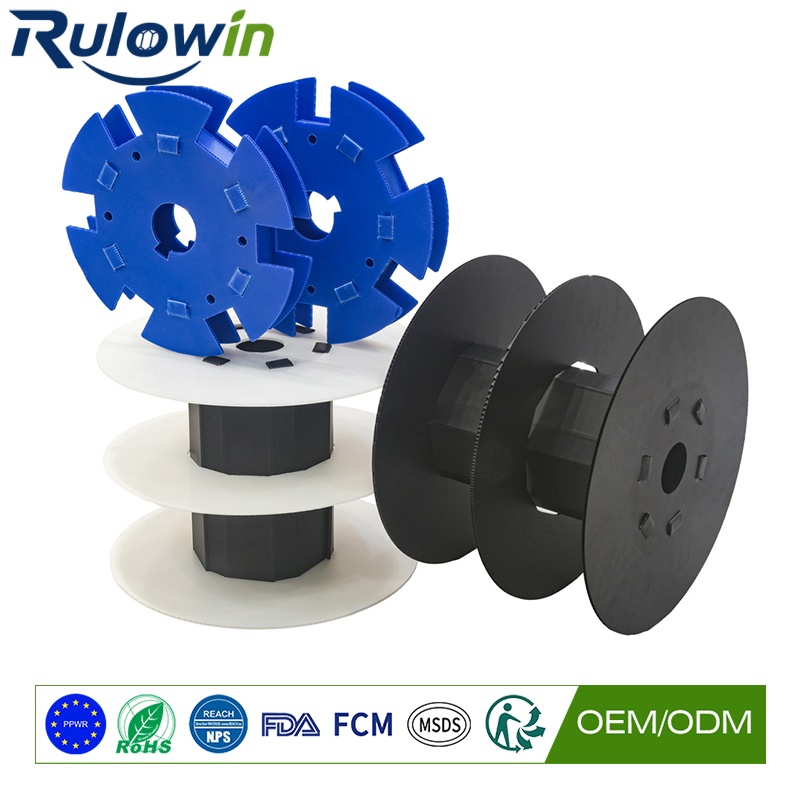
An occasional complaint, and one that is difficult to deal with because it is subjective and because the threshold at which it matters varies wildly by application. Worth understanding rather than dismissing, because for some products it is disqualifying.
Where the smell comes from
The polymer itself. Polypropylene has a slight characteristic odour, much less than polyethylene but not zero. Freshly produced material smells more than material that has stood.
Processing. Thermal history matters. Material held hot too long degrades slightly and produces more odour. This is a process variable rather than a material one, and it is why two batches from the same resin can differ.
Additives. Some stabilisers, slip agents and antistatic additives contribute more than the polymer does.
Contamination. Anything the spool has been exposed to — previous product, cleaning agents, diesel in a container, smoke.
Degradation. UV-damaged polypropylene develops a distinct smell, which is sometimes the first sign of the surface damage discussed in our UV article.
Whether it transfers
Odour transfer requires volatile compounds to move from the spool to the product and be retained there. It depends on:
- Contact time — long storage is worse
- Temperature — everything moves faster warm
- The product’s own properties — some materials absorb volatiles readily and others do not
- Confinement — a wound pack is a closed environment, per our article on products that outgas
In practice, transfer to products like cable is rarely detectable. It becomes a real consideration with odour-sensitive products — some food-contact applications, some medical products, and anything where the customer will smell the packaging on arrival.
What reduces it
- Time. The simplest and most effective. Fresh spools smell more than ones that have stood for a few weeks in a ventilated place.
- Ventilation. Air movement removes volatiles. A spool in a sealed bag retains whatever it had.
- Avoiding overheated material in production, which is a supplier process matter.
- Grade selection where odour is a stated requirement — worth saying, because it is not usually volunteered.
- Keeping spools away from strong-smelling contamination in transit and storage, which is often the actual cause.
What to do if it matters to you
- Say so at specification. “Odour-sensitive application” is a legitimate requirement and it changes material and handling choices.
- Test with your product rather than judging the spool in isolation. Sniffing a spool tells you the spool smells; it does not tell you whether the product will.
- Do a confined test — store product on the spool in the conditions it will actually experience, then assess.
- Ask what the spools have been exposed to between production and delivery.
What is reasonable to expect
Being honest: a completely odour-free plastic spool is not a realistic specification, and any supplier who promises one is overselling. What is reasonable is:
- A spool with no strong or objectionable odour when new
- A marked reduction after ventilation
- No contamination odours from transit or storage
- Disclosure of what the spool has been exposed to if you ask
Where this goes wrong
Almost always through contamination rather than material. A spool that has travelled in a container with something pungent, or been stored near solvents, will smell of that and will transfer it. Ventilation usually fixes material odour and never fixes contamination.
So the first diagnostic question is what it smells of. If it smells of plastic, it is the material. If it smells of anything else, something happened in transit or storage.
What we can do
Tell you what our hollow board spools are made from, supply them from a fresh production run if that helps, and hold them to air out before despatch where the application warrants it. We can also send samples so you can test with your actual product rather than trusting a description — which is the only test that answers the real question.