
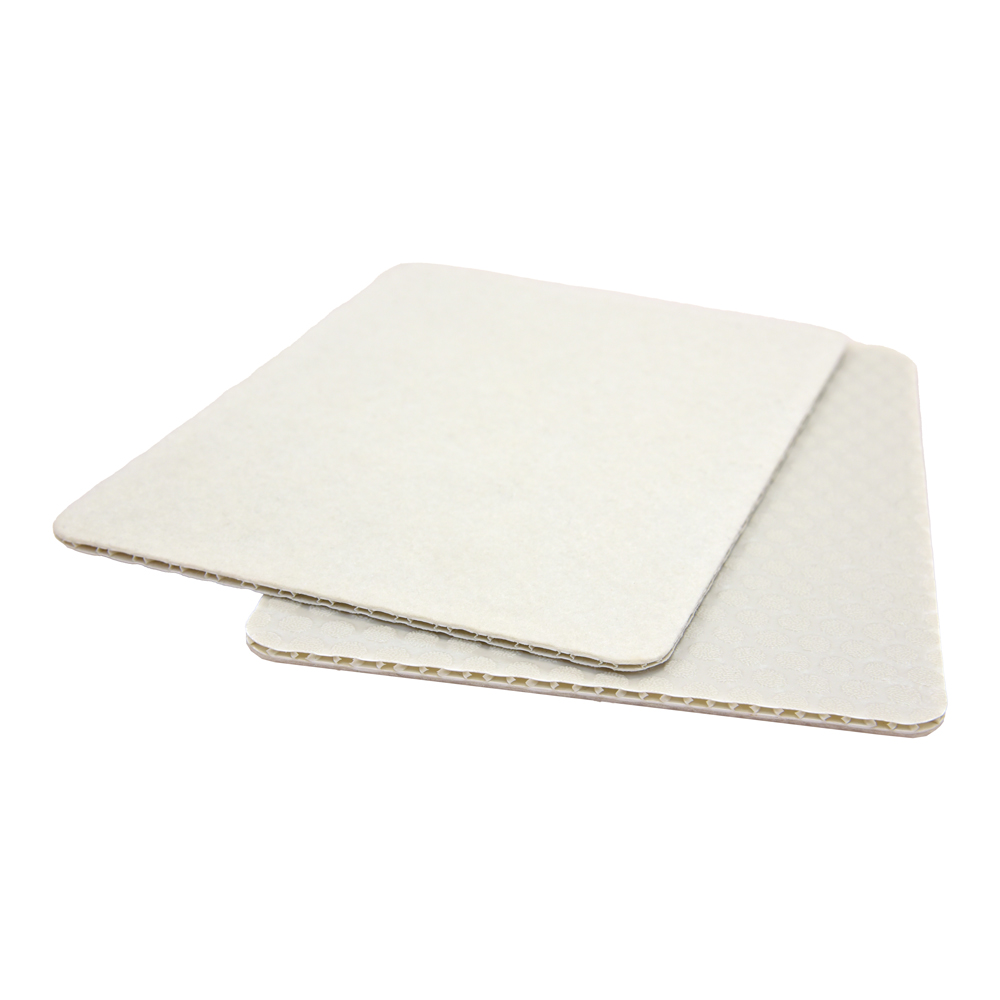
A Class-A surface is defined by how it looks under light, which means the standard for the packaging touching it is far stricter than “does not break the part”. A visible scuff on a painted trim panel is a rejected part, and it takes very little contact to produce one.
The instinct is to reach for the softest material available. That is sometimes right and often wrong, because softness is not the property that prevents scuffing — and the softest options tend to fail in other ways within a few trips.
What actually causes scuffing
Three mechanisms, and they need different answers:
- Abrasion from relative movement. The part moves against the contact surface during transport. This is what most people mean by scuffing, and it is addressed by a low-friction, non-abrasive facing.
- Imprint and telegraphing. A hard pattern behind a soft facing presses through over time, particularly at elevated temperature. This is a structural problem, not a surface problem.
- Contamination transfer. Grit, metal swarf or dried detergent trapped in the facing acts as an abrasive. This is the most common cause of scuffing in a fleet that started out performing well.
The third one explains why a facing can be fine for thirty trips and then start damaging parts. It is not worn out — it is dirty.
The four options
Felt
Good abrasion behaviour, forgiving, and cheap. Absorbs water and holds contamination, which is the trade-off. Works well in dry, closed loops where the trays are not washed. Where a wash process exists, felt needs a realistic drying time or it becomes a sponge that holds grit against the next part.
Non-woven fleece
Lighter than felt, does not fray as readily, and generally holds less water. A reasonable default for general automotive dunnage. Thinner grades wear through at high-contact points, so specify a heavier grade where the part rests rather than across the whole tray — it costs less and lasts longer.
Closed-cell foam
Excellent imprint resistance and does not absorb water. More expensive, and it takes a compression set under sustained load, which means a tray that sits stacked for weeks can develop permanent shallow depressions. If your loop has long dwell times, ask about compression set specifically.
Bare honeycomb panel
Sometimes correct, and worth considering more often than it is. Where the part contacts the packaging only at a non-critical face, or where the geometry means contact is brief and light, an unfaced panel is cheaper and — critically — does not hold contamination. It does telegraph the cell pattern, so it is unsuitable for anything where sustained pressure is applied to a visible face.
The property to ask about
Not softness. Ask two questions instead:
- What is the coefficient of friction against your part’s finish? A facing that grips is worse than one that is hard but slippery, because it converts small movements into shear at the surface.
- How does it behave after fifty wash cycles? Compression, hardening, fraying and contamination retention all change with washing, and the datasheet figure is almost always for new material.
Design details that do more than the material choice
- Contact only where you must. Locate the part on non-critical faces and keep visible surfaces clear. This is a geometry decision and it outperforms any facing.
- Distribute load. A facing over an open honeycomb cell bridges that cell; under sustained load it will eventually press into it. A thin skin over the core, or a higher-density core under contact areas, stops the telegraphing.
- Make the facing replaceable. Whichever material you choose, it will wear before the structure does. A facing that can be replaced locally converts a scrapped tray into a short repair.
- Plan the cleaning. If trays are washed, specify the method and temperature and make sure the facing and its adhesive are rated for it.
Testing before you commit
Send a representative part and a sample tray through your actual route — including the wash, if there is one — and inspect under the same lighting your customer uses. Laboratory abrasion tests are useful for comparing materials and poor at predicting the contamination failure that will actually end the tray’s life.
If you tell us the part finish, the contact geometry and the cleaning method, we can recommend a facing — and tell you when the right answer is no facing at all.