
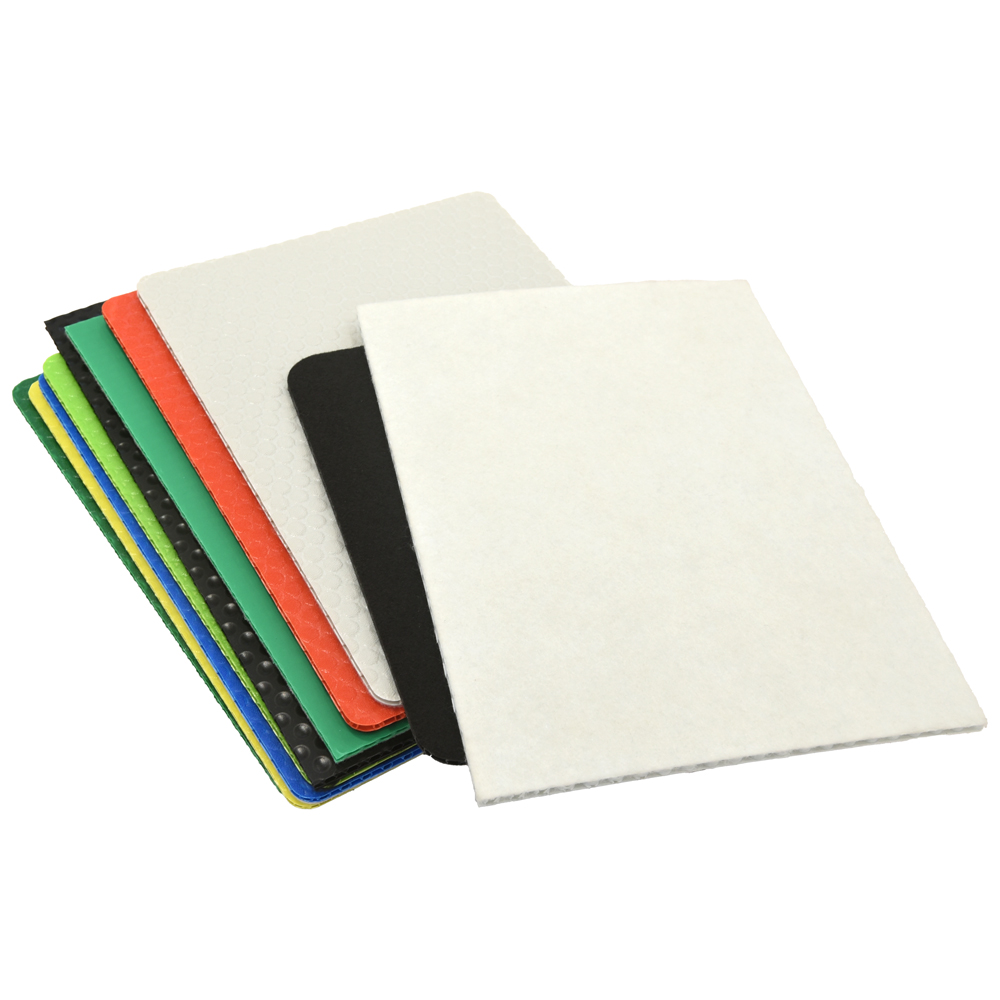
Wooden crates have a hundred years of institutional habit behind them, and for good reason: they are strong, repairable with a hammer, and available everywhere. But on a long export lane the two things that cost money are weight and volume, and wood is worse than plastic on both. Whether that matters enough to switch depends entirely on the lane.
Tare weight
A wooden crate capable of carrying a tonne of parts typically weighs substantially more than a plastic sleeve system rated for the same load. On air freight that difference is expensive and obvious. On sea freight it is usually absorbed into the container weight limit and matters less — unless you are up against a road weight limit at either end, which in many markets you are.
If your containers are consistently weight-limited rather than volume-limited, tare weight is worth real money. If they are volume-limited, it is not, and the decision should turn on other factors.
Cube and the return leg
Outbound, a crate and a sleeve system occupy similar volume. The difference appears on the return, and it is not close. A collapsible sleeve returns at a small fraction of its assembled volume, which turns an empty-return problem into a minor line item.
Where empties come back at all, this dominates the comparison. Where they do not — one-way exports where the packaging is discarded at destination — it is worth nothing, and a cheap single-use crate may well be the right answer.
ISPM 15 and the paperwork that comes with it
Solid wood packaging moving across most international borders has to be treated and marked under ISPM 15 — heat treatment or fumigation, with a visible stamp. It works, but it carries three ongoing costs: the treatment itself, the administrative burden of proving compliance, and the risk of a shipment being held because a stamp is missing, illegible on a repaired panel, or on a piece of dunnage nobody thought about.
Plastic packaging is outside the scope of ISPM 15 entirely. For exporters who have ever had a container held over a questionable stamp, that is not a theoretical benefit. It removes a category of delay.
Engineered wood products — plywood, OSB, particle board — are also generally exempt, which is worth knowing before you assume the choice is plastic or treated solid timber.
Where wood genuinely wins
It is worth being straight about this, because the answer is not always plastic:
- Very heavy, very dense loads. Steel castings, machine beds, anything with high point loads. Wood distributes concentrated load well and is cheap to over-specify.
- One-way shipments to destinations with no return path. The reusability premium never gets amortised.
- Repairability in remote locations. A crate can be fixed with a nail gun and a plank anywhere on earth. A cracked plastic sleeve needs a replacement part shipped in.
- Extreme climates without covered storage. Wood does not care about UV the way untreated polypropylene does. If pallets sit in the sun for months, specify UV-stabilised material or stay with wood.
Where the sleeve system wins
- Closed or semi-closed loops, particularly inter-plant transfers between the same company’s facilities
- Lanes where empties currently return at full volume
- Moisture-sensitive cargo — plastic does not absorb water, and a container that sweats does not soften a sleeve
- Weight-limited lanes
- Automated handling, where dimensional consistency matters more than raw strength
Moisture is the quiet one
Container rain is real. A shipment crossing an equatorial route can deposit a surprising amount of water inside a container, and a wooden crate that has absorbed it loses strength and sometimes stains or corrodes the cargo. Plastic does not care. If your lane is humid and your cargo is sensitive, this alone can justify the switch.
Making the decision
Three questions settle it in most cases:
- Do empties come back? If no, lean wood or a cheap single-use format.
- What limits the container — weight or volume? If weight, plastic’s tare advantage pays.
- How much is a customs delay worth on this lane? If the answer is “a lot”, ISPM 15 exemption has real value.
If you send over the lane, the load and the stacking arrangement, we can run the comparison properly — and tell you when the honest answer is to keep buying crates.