
Why Restaurant Dining And Kitchen Floors Need Proper Protection
Ask any seasoned contractor where budgets quietly leak and they will point at damaged finishes. During a restaurant refurbishment, restaurant dining and kitchen floors are exposed to heavy oven and fridge moves, stainless-table drags, grease and grout — and once marked, they rarely come back to perfect without real expense.
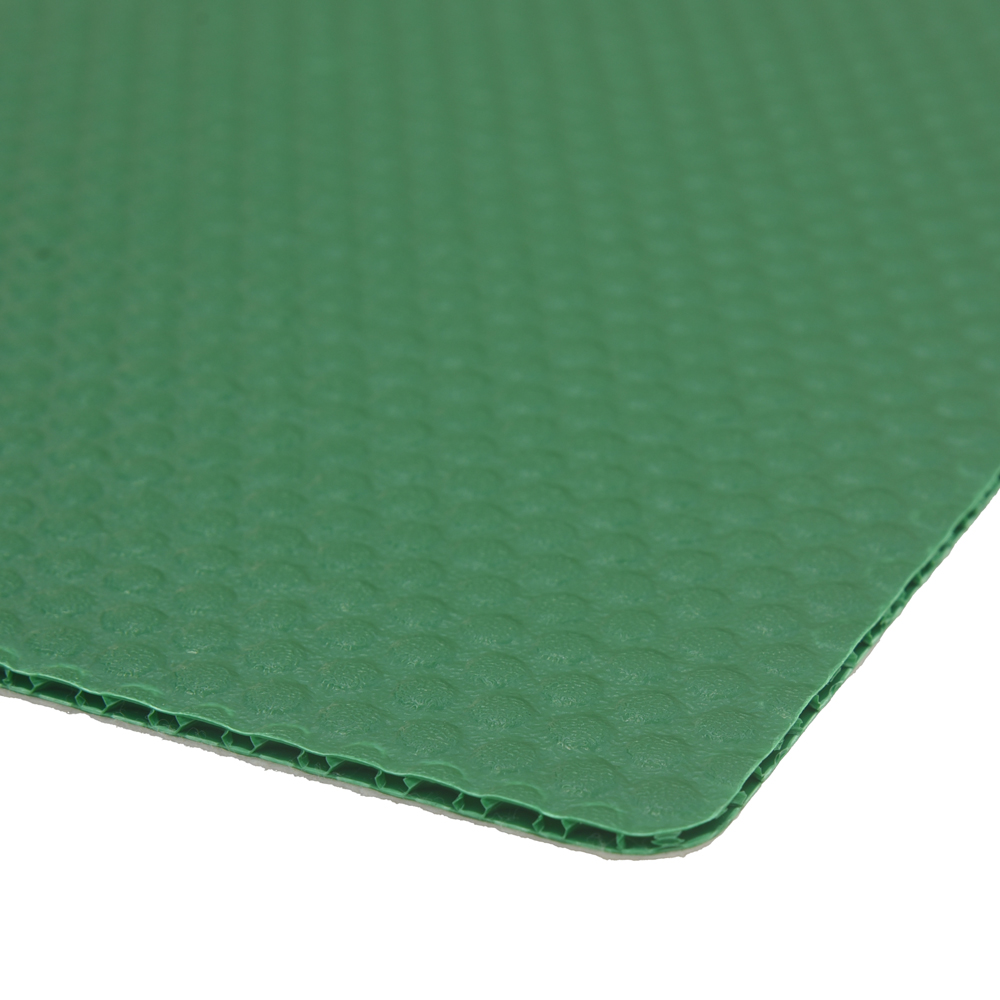
Hospitality floors take punishment from both back-of-house kit and front-of-house traffic, and left unguarded they quickly pick up heavy oven and fridge moves, stainless-table drags, grease and grout. A purpose-made twin-wall PP honeycomb board spreads point loads across its rigid cellular core, shrugs off knocks, and keeps what is underneath looking exactly as it did before work started.
Real-World Applications
You will see this method earning its keep across kitchen equipment upgrades, dining-room re-layouts, and bar-area refits. The principle never changes: get a rigid, well-fitted cover down early, keep the joins taped, and leave it in place until the messy work is genuinely finished.
What Damage Really Costs
Repairs are never just about the material. Re-laying a commercial kitchen’s resin floor means closing the kitchen entirely — and that is before you count the programme delay, the difficult client conversation, and the knock to your name. Covering up front removes all three.
The direct bill is only part of the story. Rework pulls labour off the next task, pushes other trades back, and can sour an otherwise smooth job.
A Simple Protection Routine
A careful routine makes all the difference. Here is the method we recommend:
- protect the pass and cooking line first
- board the dining room for furniture moves
- tape joins against grease
- phase covers around service
Why Rigid Honeycomb Protection Works
What sets rigid PP honeycomb sheet apart is the combination of rigidity and low weight. It is stiff enough to bridge minor debris and resist point loads, yet light enough for one person to carry, cut, and lay in minutes — exactly what a busy upgrade demands.
Because the material is light and stackable, storing and moving it between phases or sites is effortless compared with timber alternatives.
Typical Damage Risks on Site
The usual culprits include heavy oven and fridge moves, stainless-table drags, grease and grout, and overnight trade traffic. On their own each looks trivial, but together they account for the bulk of the call-backs and claims that restaurant owners and hospitality fit-out teams end up dealing with.
Talk to the Surface-Protection Specialists
From one-off renovations to rolling multi-site programmes, Rulowin provides PP honeycomb panel tailored to the task — customizable in size, thickness, and surface layer. Get in touch for pricing or a sample to test on your next project.