
Understanding What’s at Stake
Ask any seasoned contractor where budgets quietly leak and they will point at damaged finishes. During plastering and decorating, window sills and boards are exposed to plaster droppings, paint drips, tool rests — and once marked, they rarely come back to perfect without real expense.
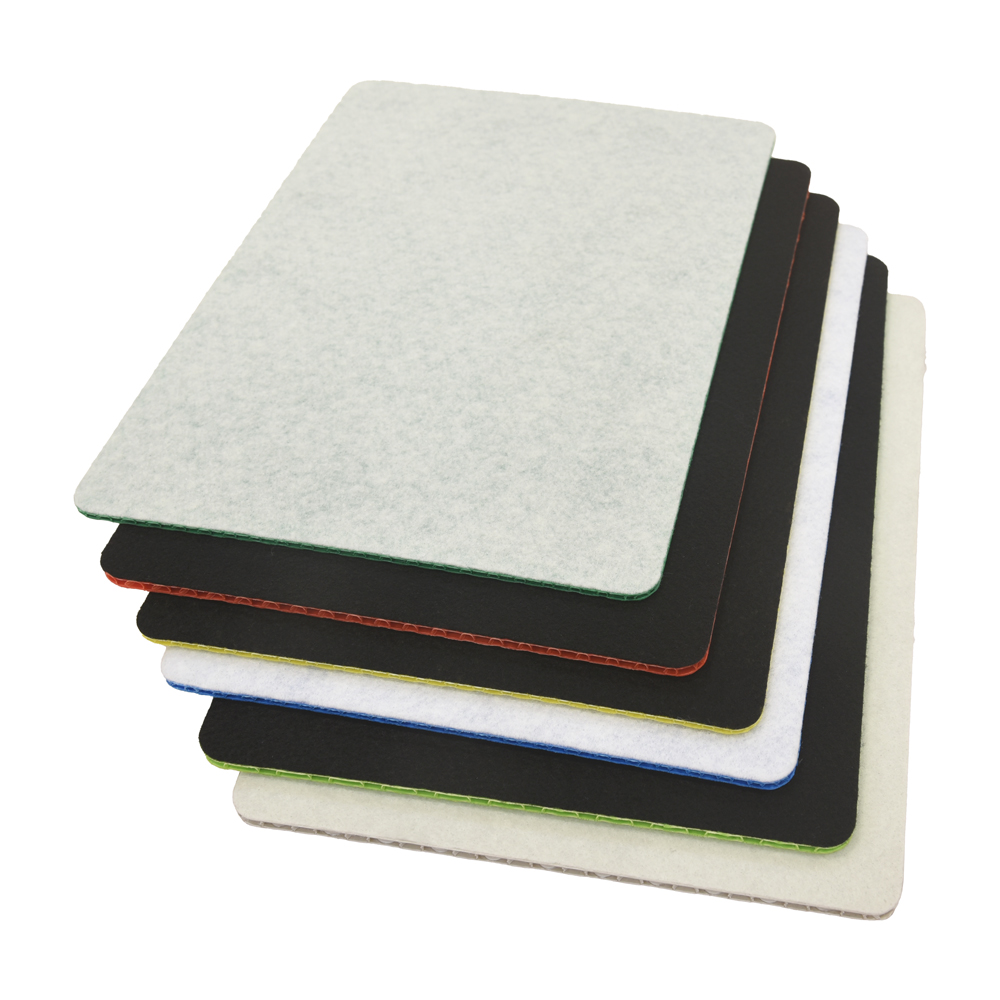
Sills collect every drip from the wall above, so cover them early, and left unguarded they quickly pick up plaster droppings, paint drips, tool rests. A purpose-made honeycomb protection board spreads point loads across its rigid cellular core, shrugs off knocks, and keeps what is underneath looking exactly as it did before work started.
Situations Where Protection Matters Most
You will see this method earning its keep across bay-window replastering, sash-window redecoration, and new-sill installation. The principle never changes: get a rigid, well-fitted cover down early, keep the joins taped, and leave it in place until the messy work is genuinely finished.
The Usual Suspects
The usual culprits include plaster droppings, paint drips, tool rests, and ladder-top contact. On their own each looks trivial, but together they account for the bulk of the call-backs and claims that plasterers and decorators end up dealing with.
How to Lay the Protection Step by Step
A careful routine makes all the difference. Here is the method we recommend:
- cover sills before plastering
- extend boards past the reveal
- tape the front edge
- wipe splashes the same day
Get the Right Protection for Your Project
If you need dependable surface protection, Rulowin supplies polypropylene honeycomb sheet cut to your dimensions and delivered to site. Speak to the team about the right thickness and surface finish for your particular job.