Why Stair Treads And Nosings Need Proper Protection
Ask any seasoned contractor where budgets quietly leak and they will point at damaged finishes. During an active build or fit-out, stair treads and nosings are exposed to work-boot grit, dropped fixings, plaster and render splash — and once marked, they rarely come back to perfect without real expense.
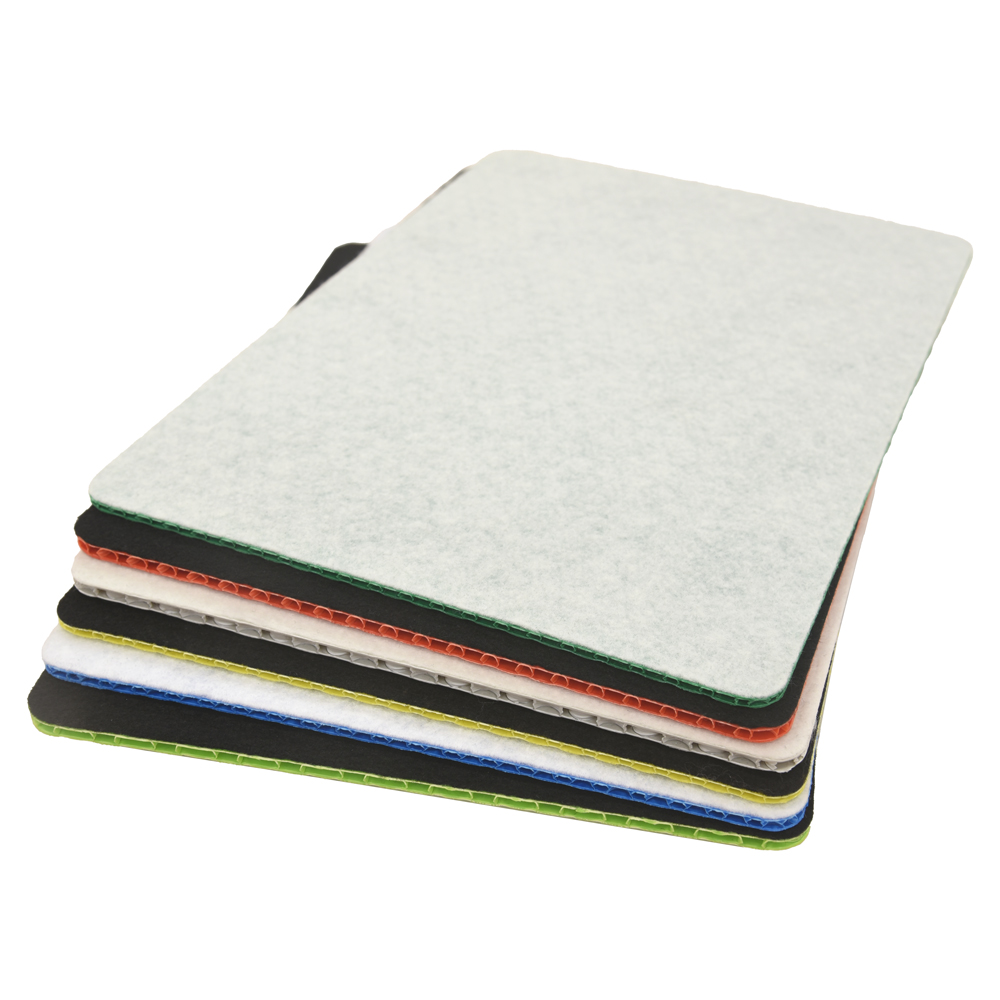
The nosing takes almost all of the impact, so it deserves the most cover, and left unguarded they quickly pick up work-boot grit, dropped fixings, plaster and render splash. A purpose-made rigid PP honeycomb sheet spreads point loads across its rigid cellular core, shrugs off knocks, and keeps what is underneath looking exactly as it did before work started.
What Actually Causes the Harm
The usual culprits include work-boot grit, dropped fixings, plaster and render splash, and rebar and tool impacts on nosings. On their own each looks trivial, but together they account for the bulk of the call-backs and claims that site managers and staircase installers end up dealing with.
Why Rigid Honeycomb Protection Works
Unlike flimsy films or heavy plywood, honeycomb protection board hits a sweet spot. It is waterproof, will not rot or delaminate, resists chemicals, and can be wiped clean and reused across many jobs before being recycled at the end of its life.
Because the material is light and stackable, storing and moving it between phases or sites is effortless compared with timber alternatives.
Why Prevention Beats Repair
Repairs are never just about the material. A chipped stone or hardwood nosing almost always needs a full tread replacement — and that is before you count the programme delay, the difficult client conversation, and the knock to your name. Covering up front removes all three.
Beyond the invoice itself there is the schedule slip, the awkward phone call, and the snagging item that refuses to close out. Spend a little early and you avoid all of it.
How to Lay the Protection Step by Step
Begin by making sure you profile boards to the nosing. Next, cover the full run before first fix. Then tape risers too. To finish, renew covers at each trade changeover. Those few minutes at the outset prevent the overwhelming majority of avoidable damage.
Choosing the Right Protection Board
Choosing the right board is easier with advice from people who make it. Rulowin offers polypropylene honeycomb sheet across a wide thickness range with bespoke sizing, plus felt or anti-slip facings where extra grip is needed. Request a quotation today.