
Why Appliance Surfaces Need Proper Protection
Appliance surfaces face a real beating during delivery and installation. For white-goods installers and kitchen fitters, the gap between handing over a flawless finish and footing a repair bill usually comes down to one decision made on day one: whether a proper rigid cover went down before the messy work began.
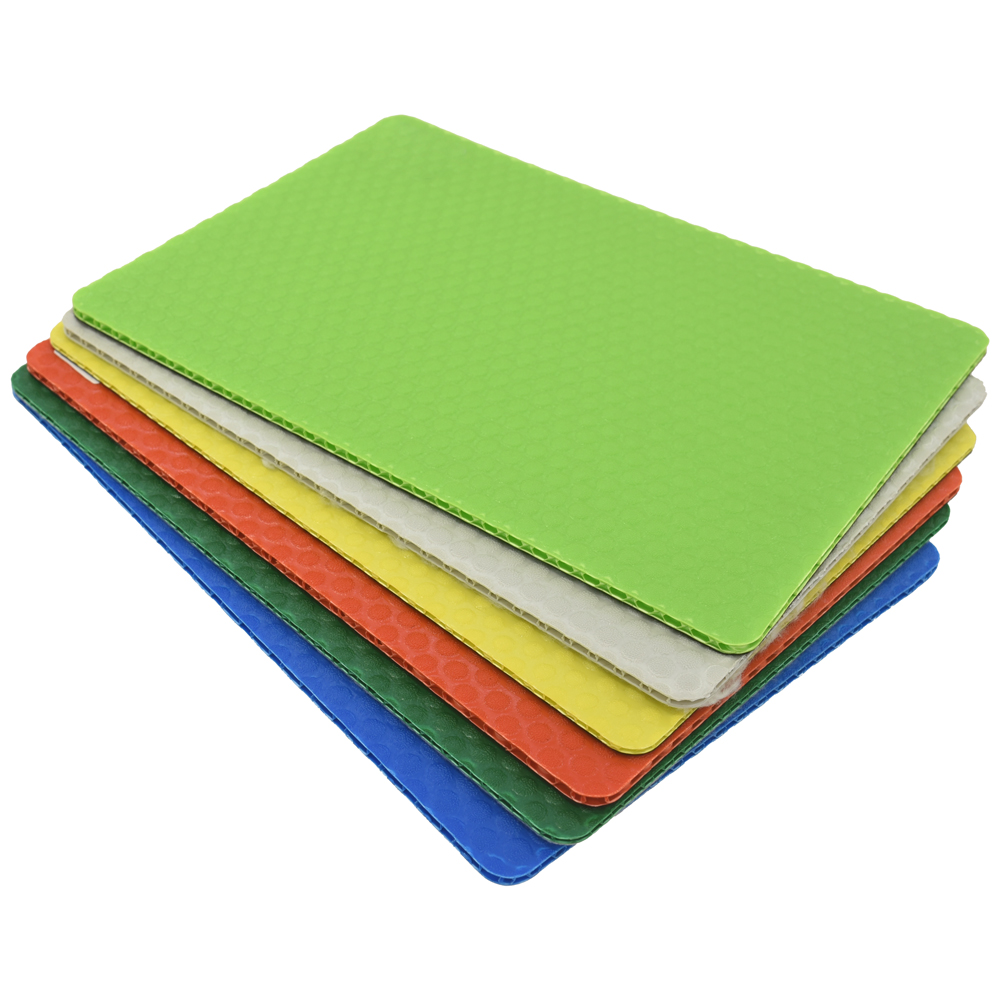
Stainless and black-glass appliance fronts mark at the slightest contact, and left unguarded they quickly pick up doorway scrapes, trolley contact, tool scratches during levelling. A purpose-made PP honeycomb board spreads point loads across its rigid cellular core, shrugs off knocks, and keeps what is underneath looking exactly as it did before work started.
Installing the Cover Correctly
Begin by making sure you keep transit film on until in place. Next, pad the route through doorways. Then board the floor at the install point. To finish, remove film only after levelling. Those few minutes at the outset prevent the overwhelming majority of avoidable damage.
Typical Damage Risks on Site
After hundreds of completed projects, the same culprits keep showing up on the snagging list:
- doorway scrapes
- trolley contact
- tool scratches during levelling
- protective-film residue
Why the Right Board Makes the Difference
Not every cover performs the same. A dust sheet stops splashes but does nothing against a dropped tool, and loose hardboard slides around and leaves gaps. A honeycomb protection board pairs a high strength-to-weight ratio with a crush-resistant cellular core, so it absorbs knocks from doorway scrapes, trolley contact without letting a mark reach the surface below.
Boards can be trimmed to size on site with a standard blade, taped at the seams, and lifted just as fast when the work is done — no specialist kit required.
Where This Approach Pays Off
You will see this method earning its keep across range-cooker installs, American fridge deliveries, and integrated appliance fitting. The principle never changes: get a rigid, well-fitted cover down early, keep the joins taped, and leave it in place until the messy work is genuinely finished.
The True Cost of Getting It Wrong
Think about what is really at stake: a scratched stainless fridge door is a customer complaint waiting to happen. That figure dwarfs the cost of protecting the area properly in the first place, which is why experienced white-goods installers and kitchen fitters treat cover as a line item, not a luxury.
The direct bill is only part of the story. Rework pulls labour off the next task, pushes other trades back, and can sour an otherwise smooth job.
Talk to the Surface-Protection Specialists
Rulowin manufactures polypropylene honeycomb sheet in thicknesses from 3mm to 20mm, with custom sizes and optional felt, anti-slip, or fabric surface layers. Whether you are covering a single room or an entire estate, the team can quote quickly and send a free sample on request.