Understanding What’s at Stake
Before a single tool comes out during stairwell and landing works, the smartest crews walk the route and cover what matters. Handrails and balustrades are high on that list because they are costly to put right and quick to mark.
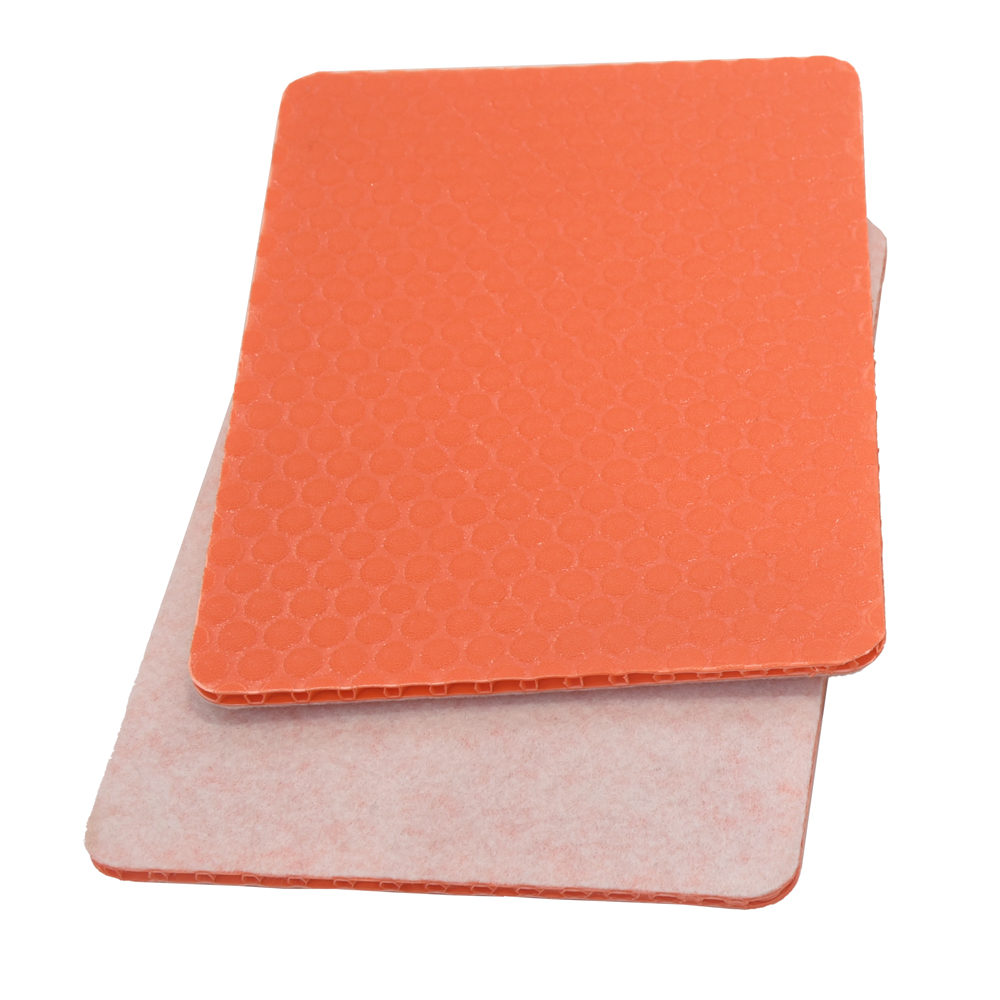
Hands run along rails daily, so any blemish is felt as much as seen, and left unguarded they quickly pick up paint drips, tool scratches, plaster splash. A purpose-made twin-wall PP honeycomb board spreads point loads across its rigid cellular core, shrugs off knocks, and keeps what is underneath looking exactly as it did before work started.
Why Prevention Beats Repair
Think about what is really at stake: a scuffed polished handrail stands out immediately on a finished staircase. That figure dwarfs the cost of protecting the area properly in the first place, which is why experienced carpenters and decorators treat cover as a line item, not a luxury.
Add in lost time, return visits, and the reputational dent, and the case for covering up becomes impossible to argue against.
Real-World Applications
You will see this method earning its keep across staircase redecorating, balustrade installation, and landing plastering. The principle never changes: get a rigid, well-fitted cover down early, keep the joins taped, and leave it in place until the messy work is genuinely finished.
Why Rigid Honeycomb Protection Works
What sets twin-wall PP honeycomb board apart is the combination of rigidity and low weight. It is stiff enough to bridge minor debris and resist point loads, yet light enough for one person to carry, cut, and lay in minutes — exactly what a busy refit demands.
Available in a range of thicknesses, the panels can be matched to the level of traffic and impact you expect, from light decorating to full strip-out.
The Most Common Causes of Damage
The usual culprits include paint drips, tool scratches, plaster splash, and carried-load knocks. On their own each looks trivial, but together they account for the bulk of the call-backs and claims that carpenters and decorators end up dealing with.
Getting the Cover Down Right
A careful routine makes all the difference. Here is the method we recommend:
- wrap rails before wet trades
- pad newel posts
- cover spindles during spraying
- unwrap for the final finish
Get the Right Protection for Your Project
If you need dependable surface protection, Rulowin supplies honeycomb protection board cut to your dimensions and delivered to site. Speak to the team about the right thickness and surface finish for your particular job.