Define the Pool Boundaries and Members
A successful pool needs clear membership rules agreed before the first box moves between partners, because ambiguity is what kills a loop later. Rulowin helps clients map the closed loop: which suppliers feed which plants, and where empties return at the end of the lane. Start with 5 to 8 trading partners on a single lane before extending the pool to more sites that add complexity.
The pool agreement should state who owns the asset, who pays for loss, and the maximum out-of-pool days allowed before a penalty applies, so there is no ambiguity later when a box goes missing and each party points at the other. A written agreement also gives the coordinator authority to enforce the rules, which is the single factor that separates a pool that works from one that quietly drains assets into the unknown.
Standardize the Physical Asset
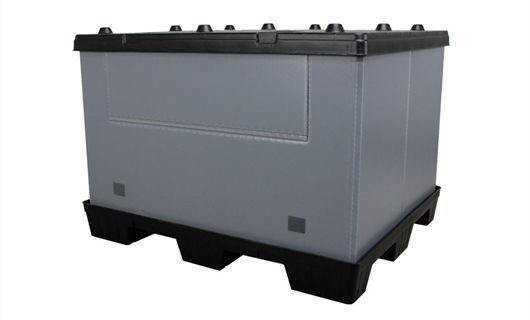
Pooling collapses if every member uses a different box with a different footprint and color that does not fit the others. Mandate one or two approved footprints and one pool color so a box from any member drops into the same flow. Rulowin supplies pooled assets pre-tagged with a shared identifier so any member can scan and route them without a translation step between systems that do not speak to each other.
Standardization is the single biggest predictor of pool ROI, because it lets a box from supplier A drop straight into the flow at plant B without adaptation or repacking along the way. When the asset is interchangeable, the pool can rebalance itself by moving boxes from a site with surplus to one that is short, which is the whole point of sharing assets across the network rather than owning them in silos.
Track Movement and Reconcile
Issue every box a QR or RFID tag and scan it at each handoff so the ledger stays current and reflects where the asset actually is at any moment. A weekly reconciliation report flags boxes overdue at a partner, typically the first sign of a leak in the loop that, if ignored, becomes a permanent loss of capital from the float that the program depends on to keep running.
Pools that reconcile weekly recover 95 percent of assets; those that reconcile monthly recover only 78 percent, because the longer a box sits unaccounted, the more likely it has truly left the system for good and must be replaced with a new purchase. The discipline of a weekly check is what keeps the float size stable and the cost per trip low enough to beat the disposable alternative on the lane.
Incentivize Returns
Charge a deposit per box released and refund it on scan-in at the return gate to create real accountability for the borrower of the asset. A 4 EUR deposit changes behavior fast: one pool lifted its return rate from 82 to 97 percent in two months, which is the difference between a chronic shortage and a healthy, self-balancing loop that rarely runs out of boxes at the busy end of the line.
Rulowin dashboards surface slow partners so the coordinator can intervene early with a phone call rather than discovering the shortage only when production is already at risk of stopping unexpectedly. The visibility also creates friendly competition between sites, because each can see its return performance against the others and nobody wants to be the one dragging the pool’s average down on the weekly report.